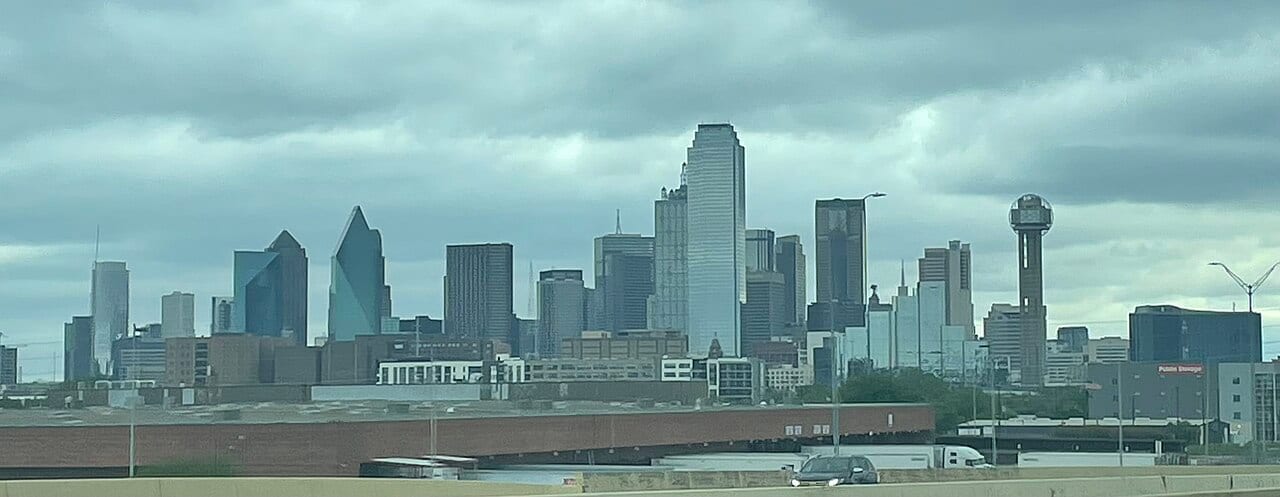
A concert, a conference, or a wedding often provides the anchor for a trip, creating a fixed point around which everything else must revolve. For many, the planning process begins with a mental image: a boutique hotel overlooking a specific vista or a rental property with a particular architectural character. This visual preference is a powerful motivator, but it can sometimes obscure the practical requirements of the event itself.
The Weight of Visual Preference
Consider the traveler who prioritizes the 'feel' of a space. You might find yourself drawn to a historic building with high ceilings and original woodwork, or a modern high-rise with floor-to-ceiling glass. These choices are deeply personal and contribute significantly to the enjoyment of a trip. However, a beautiful setting does not inherently resolve the problem of how you will actually get to your destination or how you will function once you arrive.
For example, if you select a charming, older property because of its unique aesthetic, you might find that the layout presents challenges. You may have to weigh the beauty of a narrow, winding staircase against the reality of transporting heavy luggage or navigating the space with a large piece of equipment required for your event. The tradeoff is between the atmosphere you desire and the ease of movement you require. You must decide if the visual reward justifies the physical effort or the potential for logistical friction.
Separating Certainty from Assumption
The most common friction point in event travel is the gap between what is confirmed and what is merely assumed. We often assume that because a hotel is near a venue, it is easily accessible by foot, or that because a rental offers parking, that parking is guaranteed and secure. To avoid these pitfalls, treat every unverified detail as a variable rather than a fact.
Ask your accommodation provider how they handle arrivals during peak event hours and whether they offer specific amenities that align with your event needs. If you are relying on a specific mode of transport, ask the service provider about their proximity to your chosen lodging and how they manage changes in local traffic patterns. Confirming these details early helps prevent the frustration of arriving at a beautiful location only to realize the logistics are incompatible with your schedule.
Refining the Practical Plan
Once you have identified your non-negotiable event commitment, begin a process of layering your preferences over your requirements. Start by listing your confirmed bookings—the event ticket, the paid reservation, the flight. Then, list your preferences, such as the view or the interior design. Finally, address the logistical gaps that remain between these two lists.
Instead of assuming a scenic location will be convenient, ask yourself if the time spent traveling to that location affects your ability to attend the event. If the aesthetic choice introduces a complication, determine if that complication is a minor inconvenience or a significant disruption to your schedule. By distinguishing between the visual dream and the functional reality, you can ensure that your stay supports your event rather than complicating it. The final decision rests on whether your confirmed logistics can withstand the weight of your aesthetic preferences.