A swatch of deep emerald velvet or a slab of brushed brass can be intoxicating. When you begin a project, these tactile, visual elements often dominate the conversation. However, a designer’s most valuable tool is not their eye for color, but their ability to solve a problem. The friction in a creative partnership often arises when a client provides a list of preferences without defining the underlying need.
The distinction of intent
A preference is a statement of what you like; a requirement is a statement of how you live. If you tell a designer you want a minimalist, stark white lounge, you have shared a preference. If you tell them you need a space that can withstand heavy foot traffic from two large dogs and frequent spilled coffee, you have shared a requirement. The former is a visual direction, while the latter is a functional constraint that dictates which materials are even viable.
When these two categories are blurred, the design process can stall. A designer may present a beautiful concept that satisfies your visual appetite but fails to accommodate your daily routines. Conversely, a purely functional room might feel soulless if the aesthetic intent was never clearly articulated.
Balancing the aesthetic and the useful
The core tradeoff in design is often between the immediate gratification of a specific look and the long-term utility of the space. A choice that looks stunning in a showroom might prove cumbersome in a high-activity household. For example, if you prioritize a seamless, handle-less cabinetry look, you are trading the tactile ease of traditional pulls for a streamlined visual profile. You must decide if that visual cleanliness is worth the potential change in how you interact with your kitchen every morning.
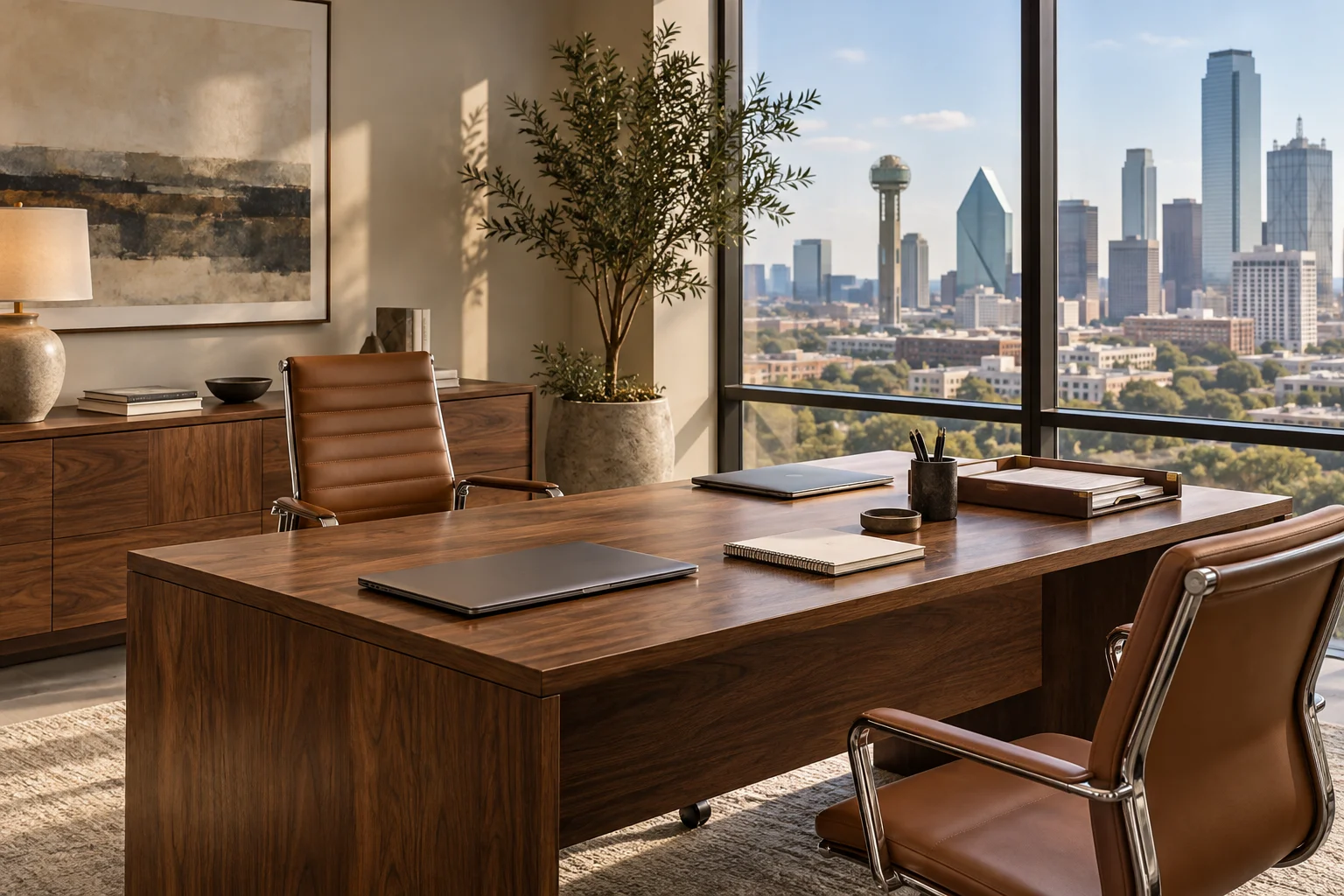
For example, imagine you are redesigning a home office in a busy Dallas neighborhood. You might have a strong visual preference for a dark, moody library aesthetic with heavy, ornate wooden shelving. However, your actual practical need is a bright, ergonomic workspace that facilitates frequent video calls and minimizes eye strain. If you only communicate the desire for the dark wood, you may end up with a beautiful room that makes your work life significantly more difficult.
Refining the brief
To move a project forward, try to translate your "wants" into "whys." Instead of simply pointing to a photograph, explain the feeling or the function that the image evokes. Ask yourself: Is this specific item necessary to achieve the goal, or is it merely a decoration? This clarity allows the professional to work within your constraints rather than fighting against them.
Before finalizing a direction, ask your designer how their proposed aesthetic choices address the specific daily routines and physical requirements you described. Confirm how they plan to balance your visual inspirations with the practical realities of your lifestyle. By defining the problem before requesting the visual fix, you ensure the final result is as functional as it is beautiful.