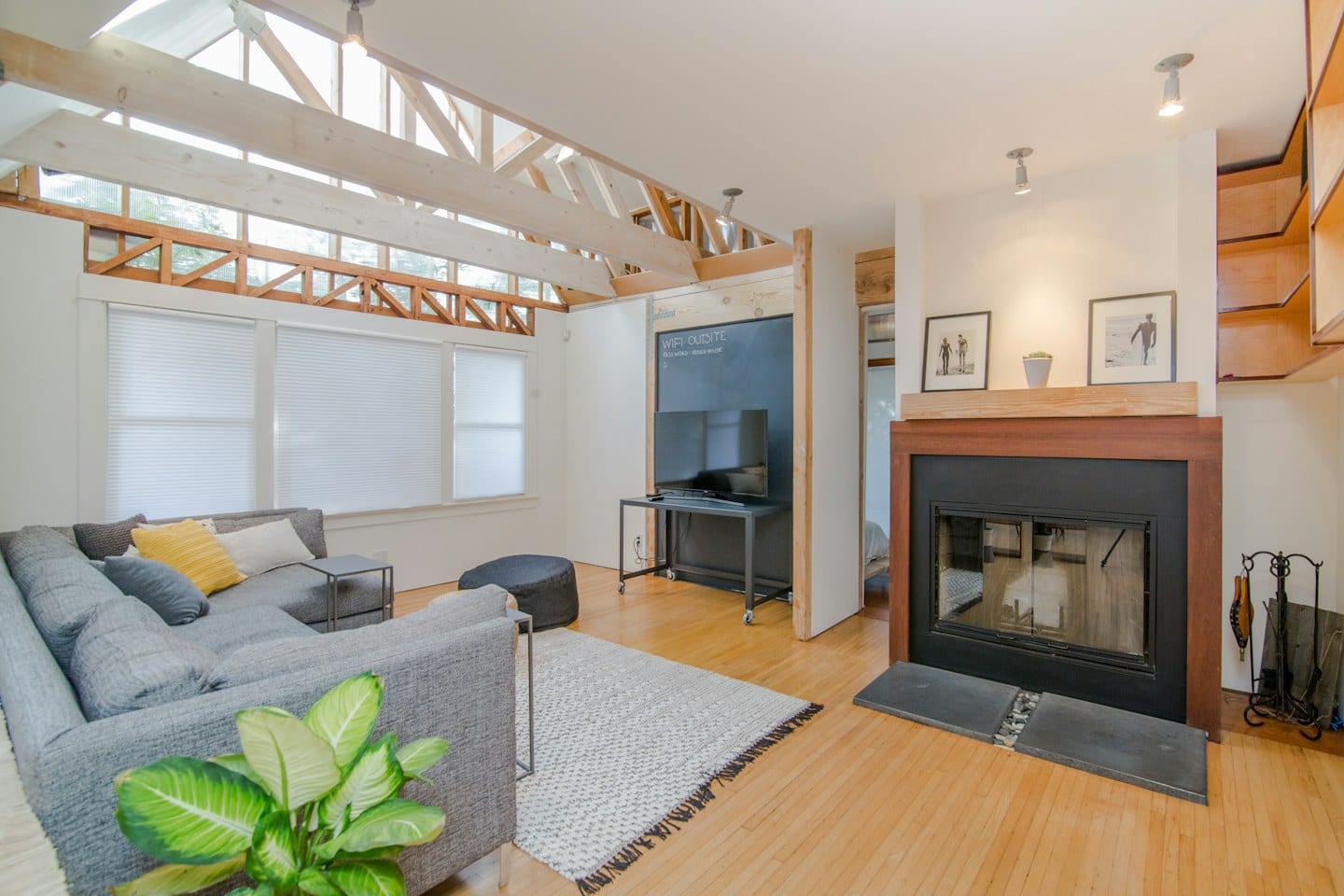
The dining table sits in the corner of the showroom, a heavy slab of wood that one person sees as a timeless heirloom and the other sees as an obstacle to movement. This stalemate is a familiar rhythm in many Dallas homes: the cycle of browsing, debating, and eventually retreating without a purchase. When a decision is repeatedly reopened without the arrival of new information, the problem is rarely a lack of options, but rather a lack of a shared framework for choosing.
The Trap of Subjective Taste
Arguments over furniture often stall because they focus on aesthetics—words like beautiful, modern, or cozy carry different weights for different people. One person might prioritize a sleek, minimalist silhouette that complements the architecture of a room, while another seeks the tactile comfort of deep cushions and soft textures. Without a way to weigh these preferences, every new showroom visit becomes a repetitive loop of conflicting opinions.
For example, if one partner insists on a dark, formal mahogany table and the other advocates for a light, reclaimed oak version, the debate remains stuck in the realm of 'I like this' versus 'I like that.' Neither position is incorrect, but neither provides a path forward toward a final transaction.
Defining Shared Utility
To break the loop, the conversation must move away from what the piece looks like and toward how the piece functions within the specific rhythms of your daily life. This requires a tradeoff between individual desire and collective necessity. A piece of furniture is not just a visual object; it is a tool for living.
Consider the actual uses of the space in question. Does the dining area serve primarily as a quiet spot for morning coffee, or is it the high-traffic hub for weekend hosting? Does the sofa need to accommodate a specific number of people for evening reading, or is it meant to be a durable surface for children and pets? When you compare options against actual uses, the criteria for selection become more objective. A beautiful velvet chair may lose its appeal if it does not withstand the way you actually sit or move through the room.
Creating a Joint Brief
Before the next trip to a local retailer, sit down to draft a shared brief. This document should outline the non-negotiable requirements for the piece, such as dimensions, material durability, or specific functional needs. By agreeing on the boundaries of the search beforehand, you prevent the frustration of falling in love with an item that fails a fundamental requirement.
Once you have a shortlist of candidates that meet your shared criteria, ask the salesperson how the specific materials or construction methods address the routines you have identified. If you are unsure about the long-term suitability of a particular fabric or wood, ask them to describe how that material responds to the specific types of daily wear you expect. Resolving the decision means moving past the question of who wins the argument and toward the question of which piece best serves the home you are building together.