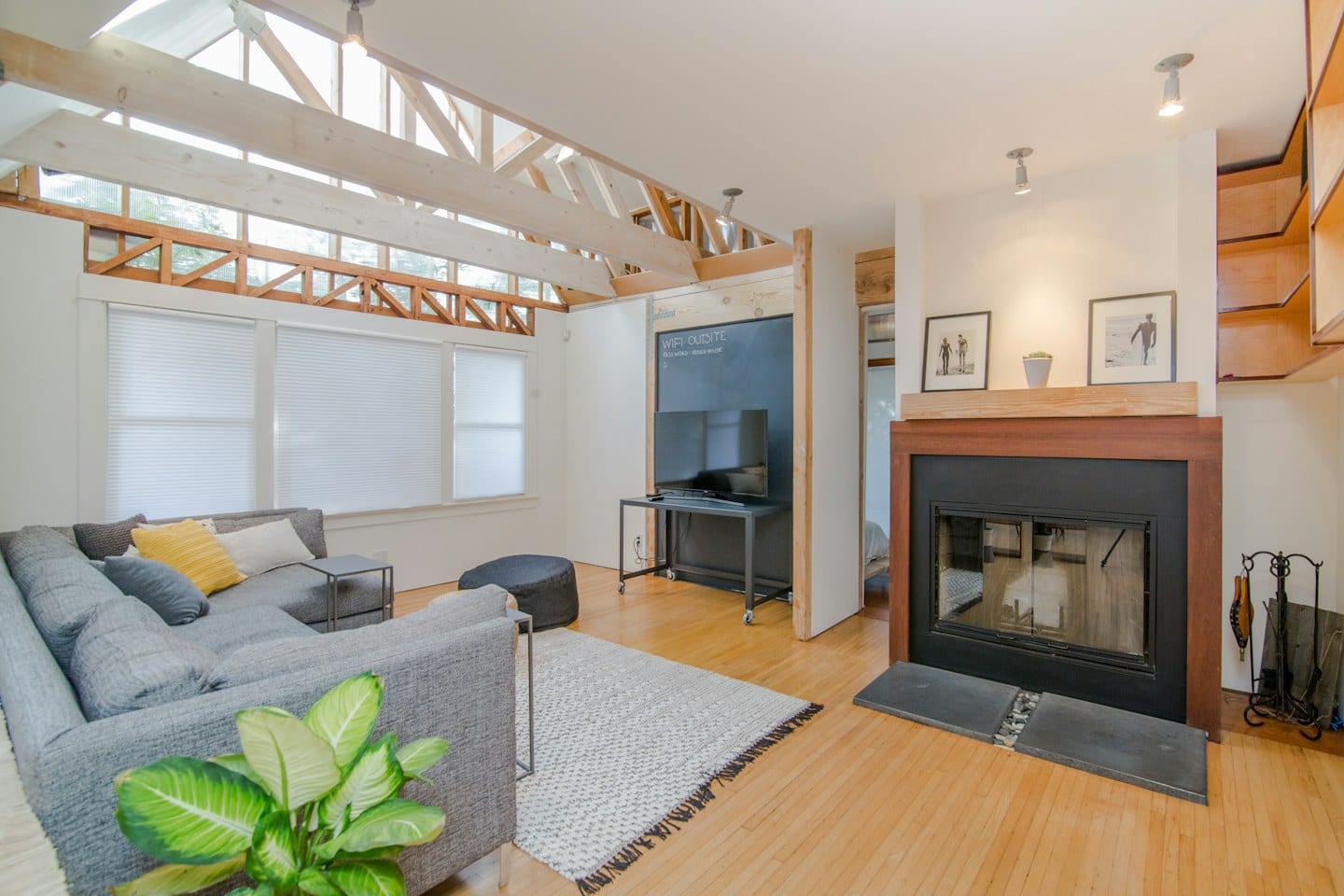
The blank canvas of a rental room often presents a tension between personal style and the constraints of a lease. For many Dallas renters, the desire to inhabit a space that feels curated and intentional frequently clashes with the reality of walls that cannot be painted and floors that cannot be refinished. When your visual preference leans toward a specific mood—perhaps a minimalist warmth or a structured, mid-century elegance—the challenge is to layer that identity over a generic backdrop.
The Weight of Visual Layers
Creating an atmosphere often begins with the items that occupy the floor and the surfaces. Temporary furniture offers a way to define a room’s geometry without a single screw entering a wall. Consider the tradeoff between the immediate satisfaction of a heavy, solid wood sideboard and the flexibility of lightweight, modular shelving. While a substantial piece of furniture provides a sense of permanence and groundedness, it requires more effort to move and may be more difficult to integrate if your next residence has different dimensions.
For example, if you find a large, velvet armchair that perfectly captures your desired color palette, you must weigh its aesthetic impact against the logistical reality of navigating apartment hallways or narrow doorways. A smaller, more versatile seating option might allow for easier reconfiguration, but it may not satisfy that initial urge to create a singular, dramatic focal point.
Managing Personal Belongings
Storage is where the practical meets the aesthetic. When built-in closets are insufficient or visually unappealing, freestanding units become essential tools. Instead of seeing storage as a purely utilitarian necessity, view it as an opportunity to add texture to the room. Rattan baskets, metal lockers, or sleek wooden cabinets can serve as both organizers and decor. The goal is to find solutions that manage your belongings while contributing to the room's intended silhouette.
Textiles also play a vital role in masking standard-issue rental features. Area rugs can redefine a seating zone, and heavy drapery can soften the light and hide window treatments that do not align with your taste. These layers allow you to build a sensory experience that feels custom-made, even if the bones of the room remain untouched.
Navigating Proposed Adjustments
As you begin to implement these changes, it is important to consider how any additions might interact with the existing property. If you are considering items that require even minor mounting, such as a heavy mirror or a specialized lighting fixture, direct communication is the most effective path forward. Ask your property management team which types of non-permanent installations they permit and what their specific expectations are regarding the restoration of the space when you move. Confirming these details early ensures that your pursuit of a polished home does not lead to unexpected complications later.
Ultimately, the most successful rental transformations are those that balance high-impact visual choices with a respect for the room's original state. By selecting furniture and storage that prioritize both form and mobility, you can inhabit a space that feels entirely your own.

