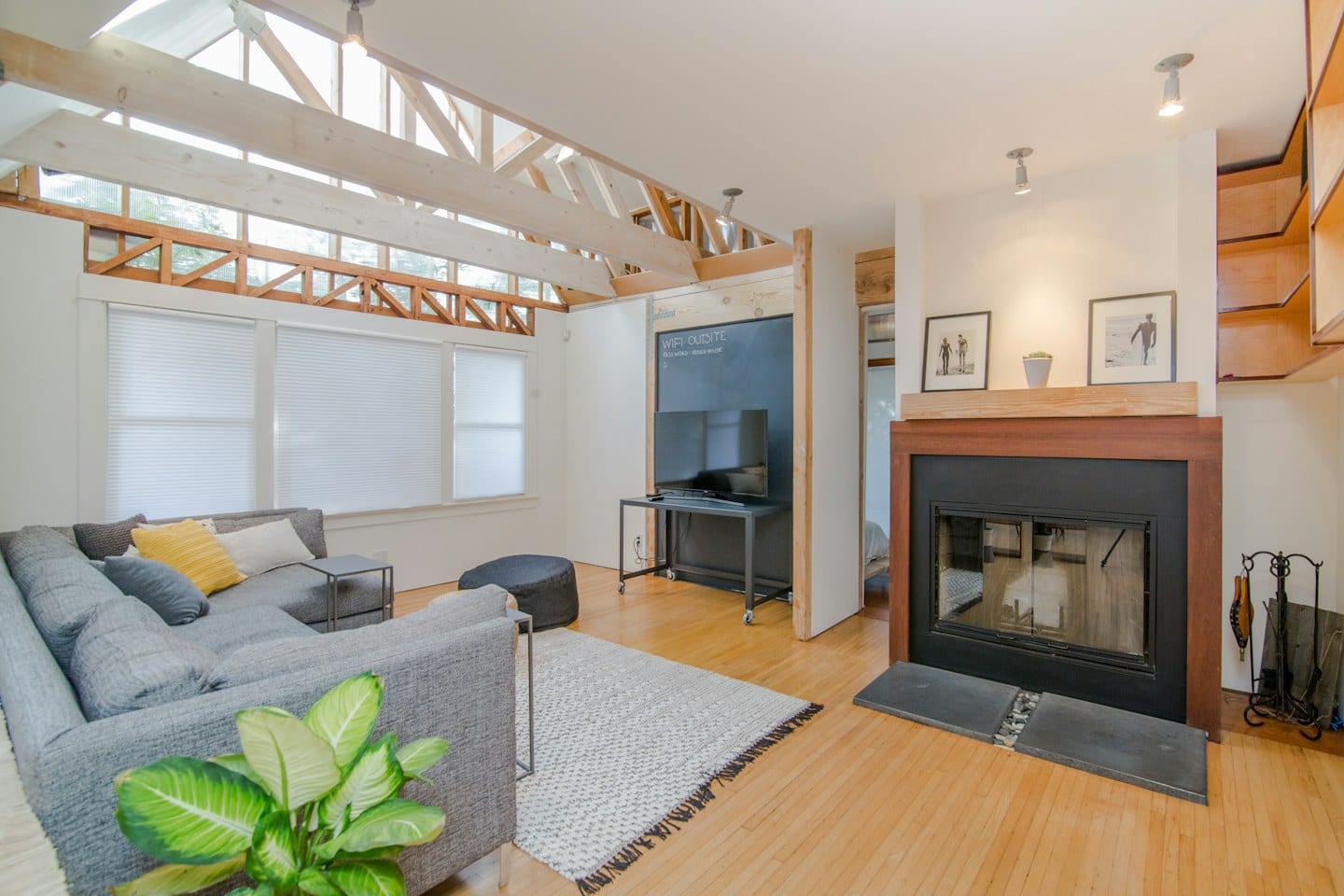
The perfect reading chair often looks best in a sun-drenched corner, framed by a window and a tall lamp. However, a space that appears serene on a Sunday morning might feel entirely different when the rest of the household is in motion. Choosing a dedicated corner for quiet activity is less about the furniture and more about how that specific patch of floor responds to the cadence of your day.
Observe the Living Patterns
Before committing to a new layout, spend a few days observing the natural flow of your home. A corner might seem secluded, but it could sit directly in the path of high-traffic zones. Watch how light shifts across the floor from dawn until dusk, and note when the most frequent interruptions occur. You might find that the area you intended for deep focus is actually the primary thoroughfare for family members moving between the kitchen and the living room.
For example, if you plan to use a corner for morning meditation, observe whether the sound of the dishwasher or the morning news in the next room disrupts that specific window of time. A space that feels peaceful at noon may become a center of activity by 5:00 PM. Identifying these shifts allows you to choose a location based on your actual schedule rather than a visual ideal.
The Movable Setup Test
A common mistake is investing in heavy, permanent furniture before testing the viability of a location. A meaningful tradeoff exists between the stability of a built-in nook and the flexibility of a movable arrangement. To test a potential spot, try a temporary setup using existing chairs, small side tables, or even a floor cushion. This allows you to experience the physical reality of the corner without a significant financial commitment.
During this trial period, pay attention to the sensory details. Does the chair feel too close to a heating vent? Is the light too harsh on your eyes at a certain hour? By using movable pieces, you can shift the angle of your seat to see if a slight adjustment mitigates the distractions you noticed during your observations. If a temporary setup feels restless or uncomfortable, it is a signal that the location itself may not suit your needs.
Refining the Choice
Once you have observed the patterns and tested the movement, you may decide that a permanent installation is necessary. If your observations suggest that the environment is too variable, you might consider more substantial changes. Ask a professional interior designer how they might use textures or furniture placement to define the boundaries of a small space. If you are concerned about how the space interacts with the rest of the room, ask how different layouts could help separate your quiet time from the household's active zones. The goal is to move from a vague desire for a "quiet corner" to a specific, functional reality that respects your daily habits.

