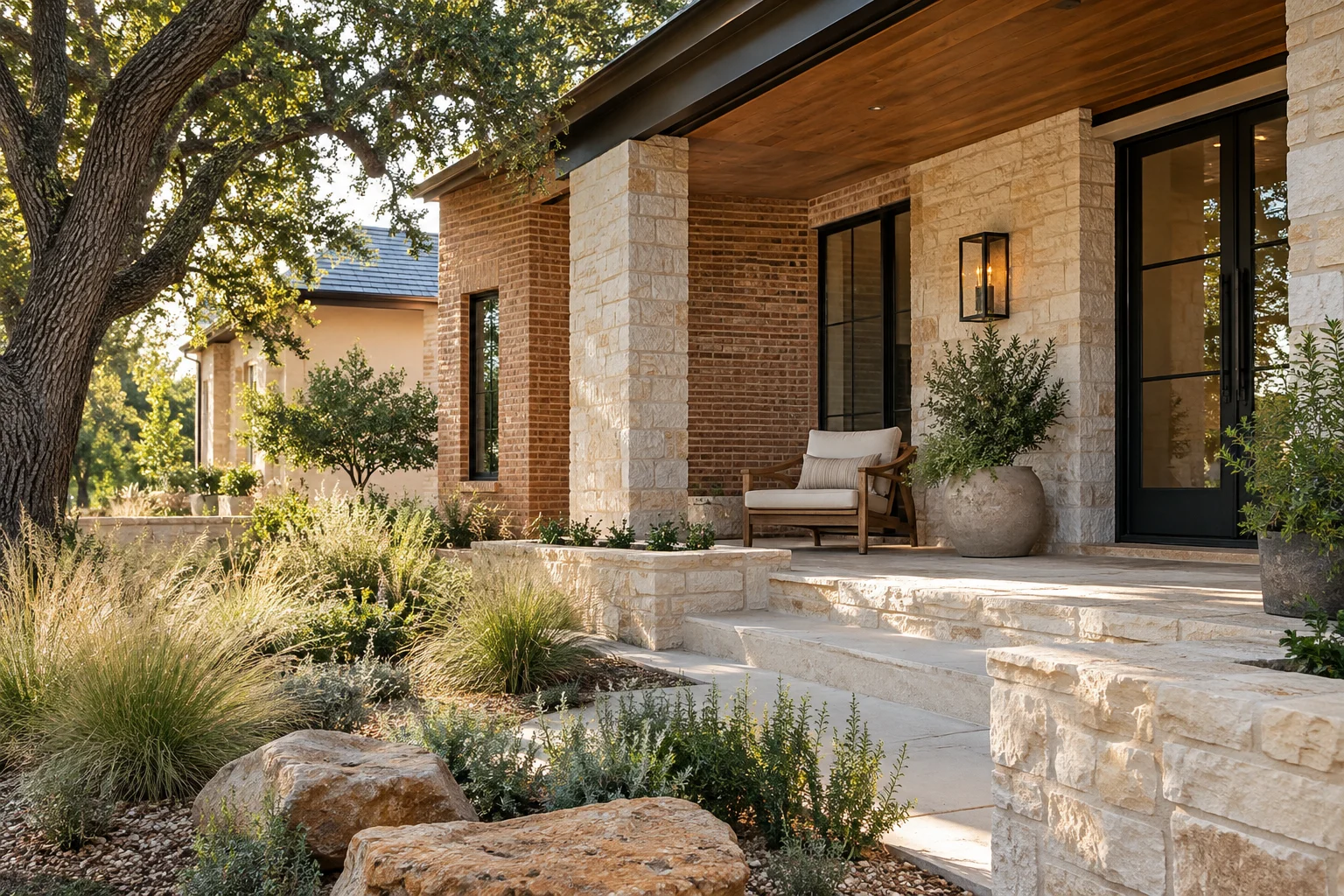
A small patio often begins as a visual promise—a clean slab of stone or a tidy patch of decking that looks perfect in a photograph. For many Dallas homeowners, the initial impulse is to fill that space with as much aesthetic charm as possible, selecting pieces that catch the light or complement the home’s exterior. However, a space that looks beautiful but lacks a defined purpose can quickly become a graveyard for unused cushions and misplaced side tables.
The Tension Between Style and Utility
The challenge arises when a homeowner possesses a strong eye for design but an unclear sense of how they will actually inhabit the space. You might find yourself drawn to a specific sculptural chair or a sleek, low-profile table, yet struggle to decide if the area should serve as a quiet retreat, a social hub, or an extension of the dining room. This creates a meaningful tradeoff: choosing a large, comfortable lounge set might satisfy a desire for relaxation, but it could simultaneously eliminate the room needed for a meaningful meal or a lively conversation with neighbors.
For example, if you prioritize a heavy, deep-seated sofa to create a reading nook, you may find that once the furniture is placed, there is no longer enough clearance to move around a dining table or host more than two guests. The visual weight of the furniture dictates the physical boundaries of your lifestyle.
Testing the Layout
Before committing to any permanent fixtures or large-scale purchases, use the physical dimensions of the patio to test different configurations. Moving loose furniture is a low-stakes way to observe how different rhythms change the energy of the area. Spend an afternoon shifting lightweight chairs and small tables to simulate different scenarios. Does the space feel cramped when the chairs are arranged for a group discussion? Does it feel lonely if the furniture is tucked into a corner for solitary reading? Observing these shifts helps move the decision from a purely visual preference to a practical realization of how you intend to spend your time.
Clarifying the Logistics
Once a primary use emerges—whether it is dining, conversation, or quiet solitude—the focus shifts to the mechanics of the space. A patio is not an isolated island; it is connected to the flow of your home. Ask yourself how you will move between the interior and the exterior with necessary items. If you choose a dining layout, consider the ease of transporting plates and glassware. If you opt for a lounge area, consider how much light or shade is required for your specific activity.
When selecting specific pieces, ask your supplier how the materials respond to being left outdoors. You may also want to ask a contractor or a landscape professional how the existing layout affects the ease of access from your back door. By identifying whether you prioritize a quiet morning coffee, a sunset dinner, or an evening cocktail, you can select a configuration that serves your life rather than just your eyes.