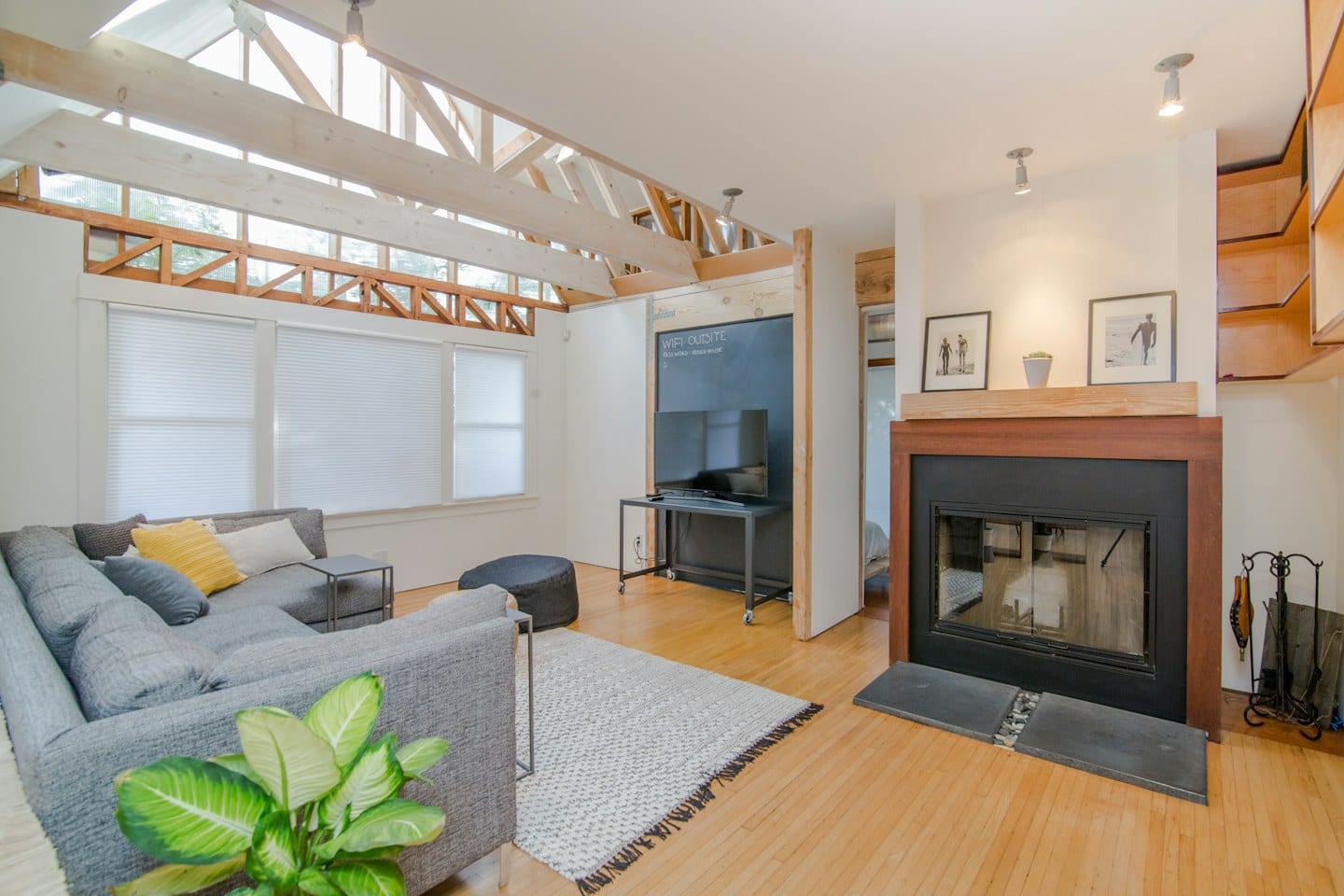
A new rug can fundamentally alter the weight and movement of a room, yet the distance between a showroom floor and your own living room often hides practical friction. Selecting a piece based on a swatch or a digital image ignores the physical reality of how you navigate your home. To bridge this gap, consider a temporary mapping exercise using simple paper or painter's tape to visualize the footprint before any money changes hands.
The Geometry of Movement
A rug is more than a decorative layer; it is a boundary that dictates where feet land and where furniture rests. When you lay out an outline on your floor, you are not just looking at size, but at the flow of the room. Observe how the edges interact with your existing pieces. Does the outline force you to step on a corner every time you walk from the sofa to the coffee table? Does it leave enough space for a doorway to swing open without catching on the pile?
By marking these boundaries, you can see if the scale feels grounding or if it makes the room feel cluttered. This visual aid allows you to test the tradeoff between a rug that sits entirely under a seating arrangement and one that merely anchors the center of the floor.
Balancing Immediate Needs and Future Plans
Deciding on a rug often involves a tension between what your home requires today and what you intend for it tomorrow. For example, if you are currently living with a mismatched set of chairs but plan to invest in a large sectional sofa next year, the rug you choose now carries a significant weight of consequence. A smaller rug might satisfy the immediate need for color and comfort under your current setup, but it may leave your future furniture feeling adrift in an empty sea of hardwood.
In this scenario, you face a choice: buy a smaller, more affordable piece that fits your present arrangement, or invest in a larger scale that anticipates your future layout. If you opt for the latter, use your paper outlines to simulate where that future sectional will sit. This helps you determine if the larger rug will still serve its purpose once the room's configuration shifts.
Refining the Selection
Once you have mapped the space, the decision moves from abstract dimensions to personal preference. You might find that a rectangular shape provides a sense of order, or you might realize that a more organic shape better accommodates your walking routes. If you find yourself questioning how a specific texture or height will interact with your current furniture, ask a specialist at your local retailer how the pile height might affect the stability of your existing table legs. Ultimately, the goal is to ensure that the piece you bring home complements the way you actually live in your Dallas home, rather than how you imagine it looking in a catalog.