This is a paid partner contribution. Commercial relationships are disclosed so readers can distinguish sponsored content from editorial guides.
A new storefront or a growing office requires more than just a name on a wall; it requires a visual presence that communicates with the surrounding area. When a business owner begins looking at different options for branding, they are often met with a wide variety of materials, sizes, and mounting methods. The decision is rarely about finding the most expensive option, but rather about finding the one that fits the specific physical and functional requirements of the location.
Evaluating the Environment
The physical setting of your business dictates which materials will serve you best. A sign intended for a high-traffic indoor lobby faces different challenges than one mounted on an exterior wall exposed to the Texas sun and wind. For example, if you are preparing for a grand opening signs dallas, you might consider how much visibility you need from a distance versus how much detail you want for pedestrians walking past your door.
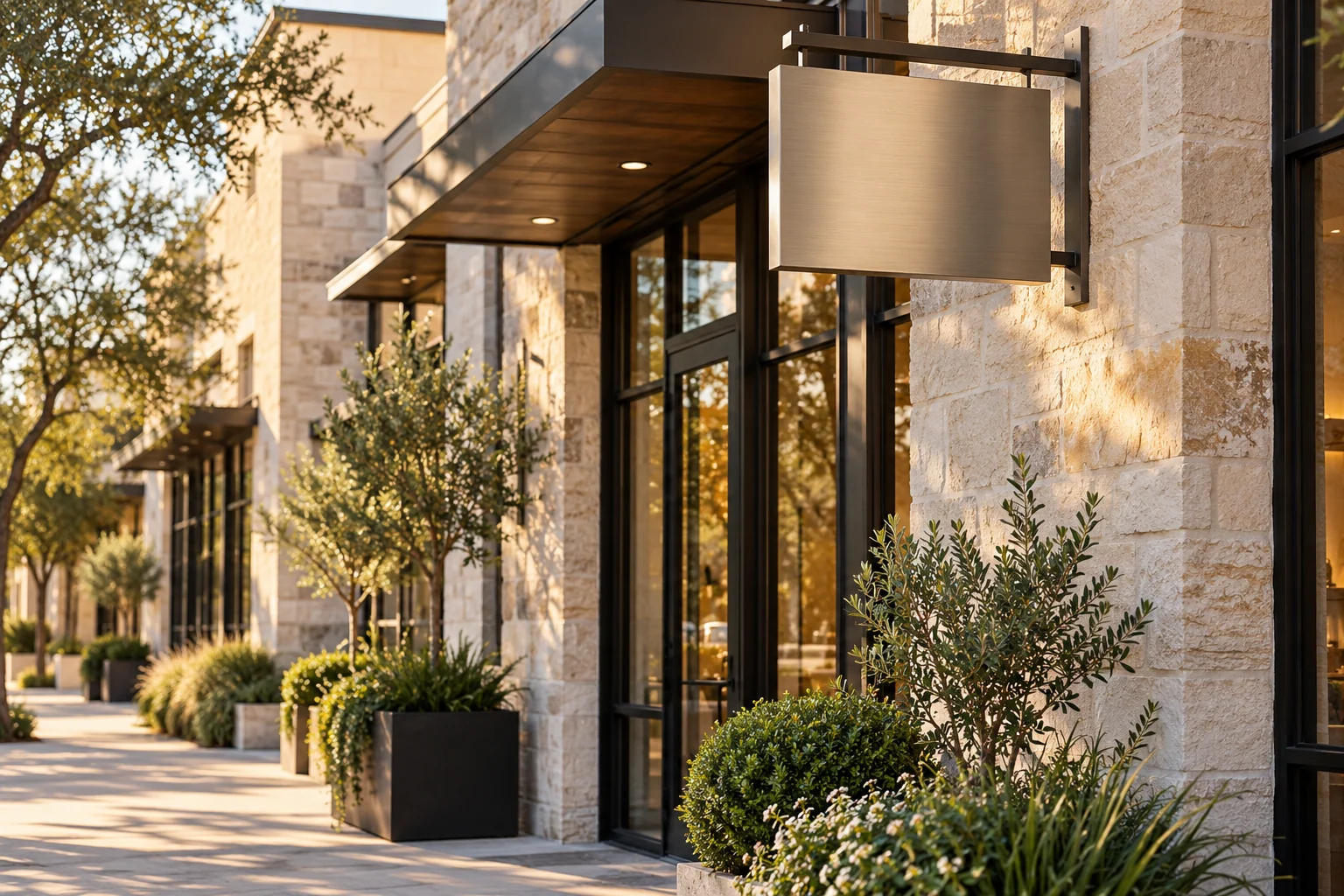
Consider the surfaces where the signage will live. A smooth glass window offers different mounting possibilities than a textured brick facade or a wooden pillar. When reviewing proposals, look closely at how the provider suggests attaching the items to your specific building materials. Ask the professional how the suggested mounting hardware or adhesive interacts with your existing walls.
Balancing Aesthetics and Utility
Every signage choice involves a tradeoff between visual impact and practical longevity. A highly polished, illuminated sign might draw the eye immediately, but it requires different maintenance than a matte-finished graphic. You must decide if your priority is immediate attention during a short-term event or a consistent presence that remains legible for years.
For instance, if you are managing multi-location signage, you face the additional task of ensuring visual consistency across different sites. You might choose a simpler, more standardized design that is easy to replicate, or you might opt for bespoke elements that vary slightly to suit the unique architecture of each branch. Ask the provider how they suggest maintaining a unified look when the physical dimensions of each location differ.
Preparing for the Consultation
To get the most accurate comparison between different quotes, arrive at your consultation with a clear understanding of your space. Having precise measurements and photos of the intended installation sites can prevent misunderstandings later in the process. It is also helpful to have a list of your specific goals, such as whether you need the signage to be visible at night or if it needs to be easily removable for future renovations.
When you receive different proposals, do not just look at the bottom line. Compare what is actually included in the service. Ask who will handle the installation, what the delivery timeline looks like, and what specific materials are being quoted. By focusing on how each proposal addresses your actual physical needs and your long-term goals, you can select the option that best serves your business environment.


