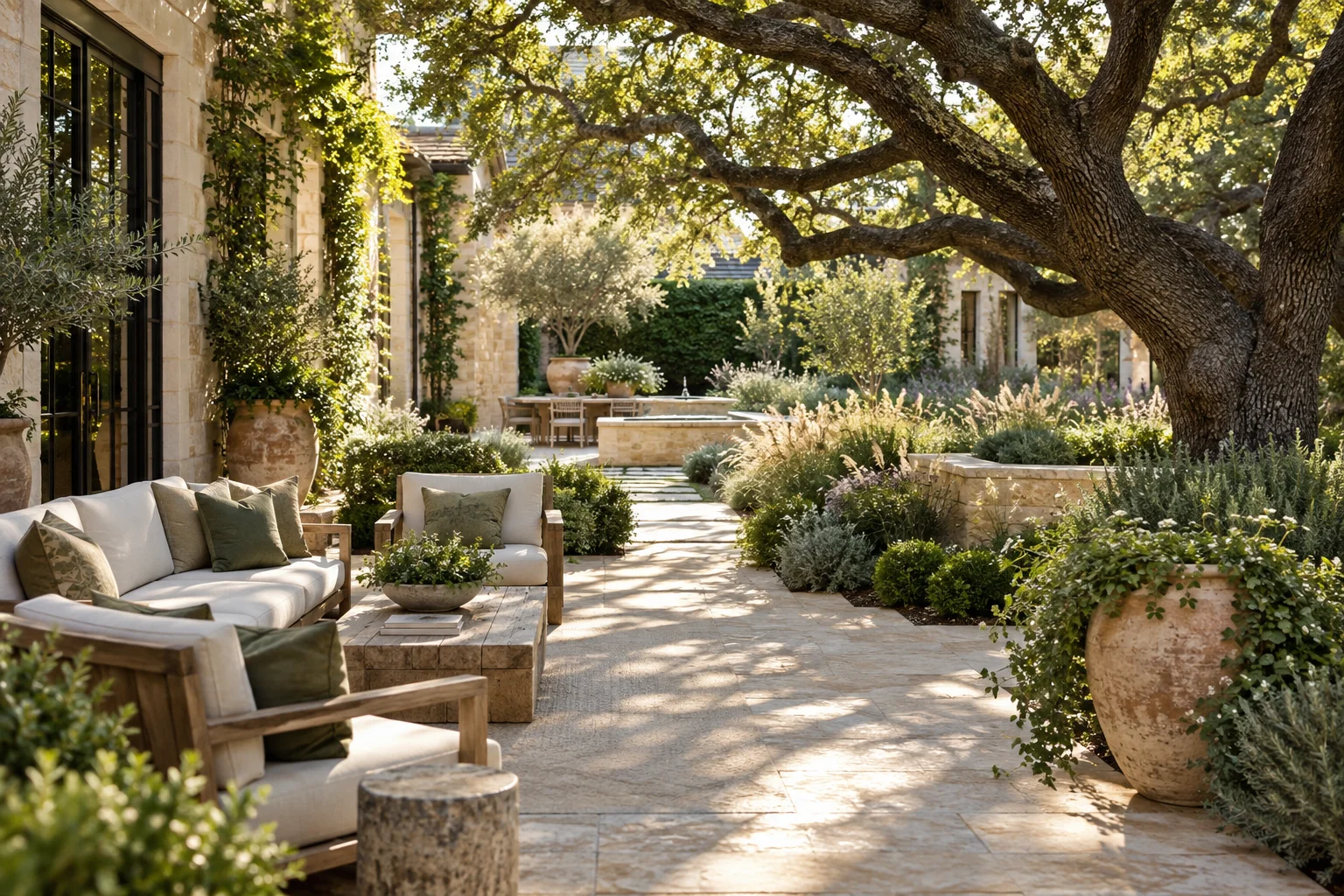
A single, shared priority can act as the anchor for a weekend, providing a sense of purpose without the weight of a rigid itinerary. Whether the goal is exploring new culinary corners or discovering quiet green spaces, the most successful outings often leave room for the unexpected. In a city where the weather and the energy of a crowd can shift by the hour, the ability to change the plan is a luxury worth cultivating.
The Tradeoff of the Tight Schedule
When planning an excursion, there is a natural tendency to fill every gap with an activity. We often mistake a dense schedule for a productive one, believing that a packed calendar ensures a successful trip. However, this approach creates a direct tradeoff between variety and spontaneity. A tightly wound schedule offers a guarantee of seeing specific sights, but it removes the possibility of lingering at a cafe because the conversation is good, or heading home early because the heat has become taxing. The more fixed the timeline, the less room there is for the actual experience to breathe.
For example, if you decide that your weekend priority is visiting several local markets, you might map out three distinct locations with specific arrival times. If you find the first market overwhelming or unexpectedly crowded, the pressure to reach the second location by noon can turn a leisure activity into a series of logistical hurdles. The goal is met, but the enjoyment of the moment is sacrificed to the clock. This tension between the intended plan and the actual feeling of the environment is where many weekend plans falter.
Balancing Energy and Access
Successful planning requires observing the different ways people engage with their surroundings. Some prefer high-energy environments with constant movement and noise, while others seek low-impact settings that allow for reflection. When traveling with others, these preferences may diverge. One person might prioritize access to walkable, vibrant districts, while another might value the ease of a quiet, shaded park. These are not conflicting desires, but different ways of experiencing the same city.
Instead of choosing one style and forcing it upon the group, consider a framework of optionality. Select one central objective—the anchor—and then offer two distinct paths for the afternoon. This allows the group to pivot based on current energy levels rather than sticking to a pre-ordained path that no longer feels right. One path might lead toward a bustling street, while the other leads toward a more secluded corner, both remaining within reach of the primary goal.
Observing the Environment
If you are looking to refine how you approach these outings, you might consider how much structure is truly necessary. When researching a destination or an event, ask the organizers how they manage crowd flow or if there are quiet zones available. If you are coordinating with a group, ask what their ideal level of activity looks like for a Saturday afternoon. Understanding these preferences beforehand allows you to build a plan that is resilient to change. Rather than asking what will happen, ask what the options are if the initial plan feels unsuitable.
By choosing a single priority and leaving the rest of the hours open to intuition, you ensure that the weekend serves your well-being rather than a checklist. The goal is not to avoid planning, but to plan for the possibility of change.


