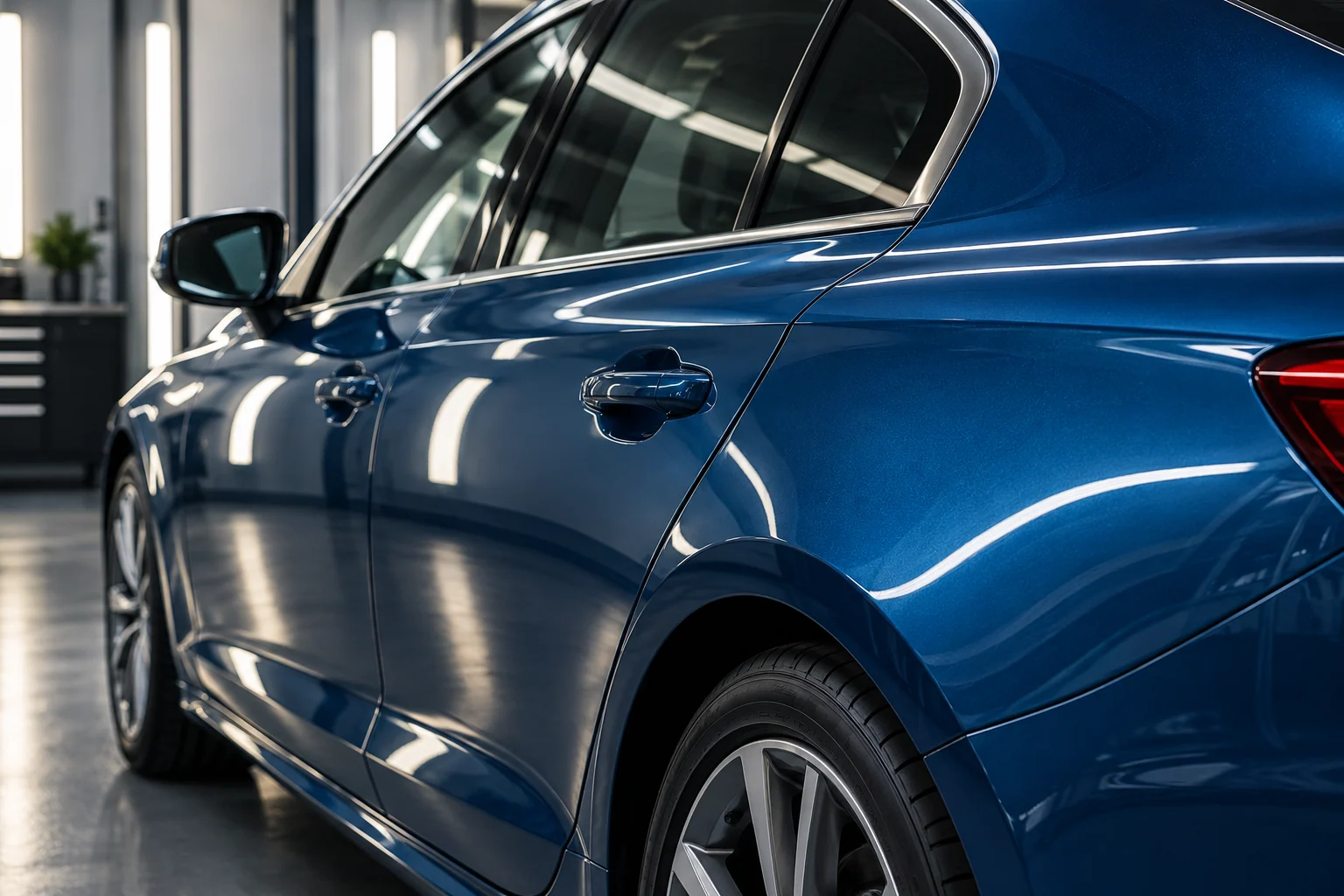
A scratched bumper or a duller-than-usual hood often sits in the periphery of daily life until the light hits it just right in a parking lot. Addressing these cosmetic imperfections requires more than just pointing at a blemish; it involves translating a visual frustration into a specific set of instructions for a service provider.
Observing the Surface
Before reaching out to a shop, take a moment to look closely at the area in question. Is the damage a shallow scuff that sits on top of the clear coat, or is there a physical indentation in the metal? Does the color of the affected area match the rest of the vehicle, or has the sun caused a noticeable shift in tone? Note whether the texture of the finish feels smooth or if there is a tactile grit to the area.
For example, if you notice a dark streak along your passenger door, determine if it feels like a transfer from another object or if the paint itself has been stripped away. Documenting these small distinctions helps you describe exactly what you see without needing to guess at the cause. You might also consider how much of the vehicle's overall appearance you want to address. Are you looking to fix a single isolated spot, or are you hoping to restore the luster of the entire side panel?
The Tradeoff of Scope
When you walk into a shop, you face a choice between a targeted fix and a broader restoration. A targeted approach might address the immediate eyesore, but it carries the question of how that specific patch will sit against the surrounding original finish. A broader approach might offer a more uniform look, but it changes the scale of the project entirely. This decision hinges on your personal goals for the vehicle's aesthetic and how you intend to use it in the coming months.
Structuring the Conversation
Once you have your observations ready, the goal is to present them clearly to the technician. Rather than suggesting how the work should be performed, focus your questions on the outcome and the logistics. Ask the professional how they intend to address the specific visual discrepancies you noted. You might ask how the proposed work will integrate with the existing color and texture of your car.
Practicality also extends to your daily routine. If the vehicle needs to remain in the shop for a period, ask about the available transport arrangements. Does the shop offer a shuttle service, or should you plan for a ride-share or a secondary vehicle while the work is underway? Confirming these details early prevents the repair from becoming a disruption to your schedule.
By arriving with a clear description of the damage and a firm understanding of your desired appearance, you move from a vague inquiry to a productive consultation. Ask the shop to walk you through their assessment of your notes to ensure your expectations for the final look align with their professional perspective.


