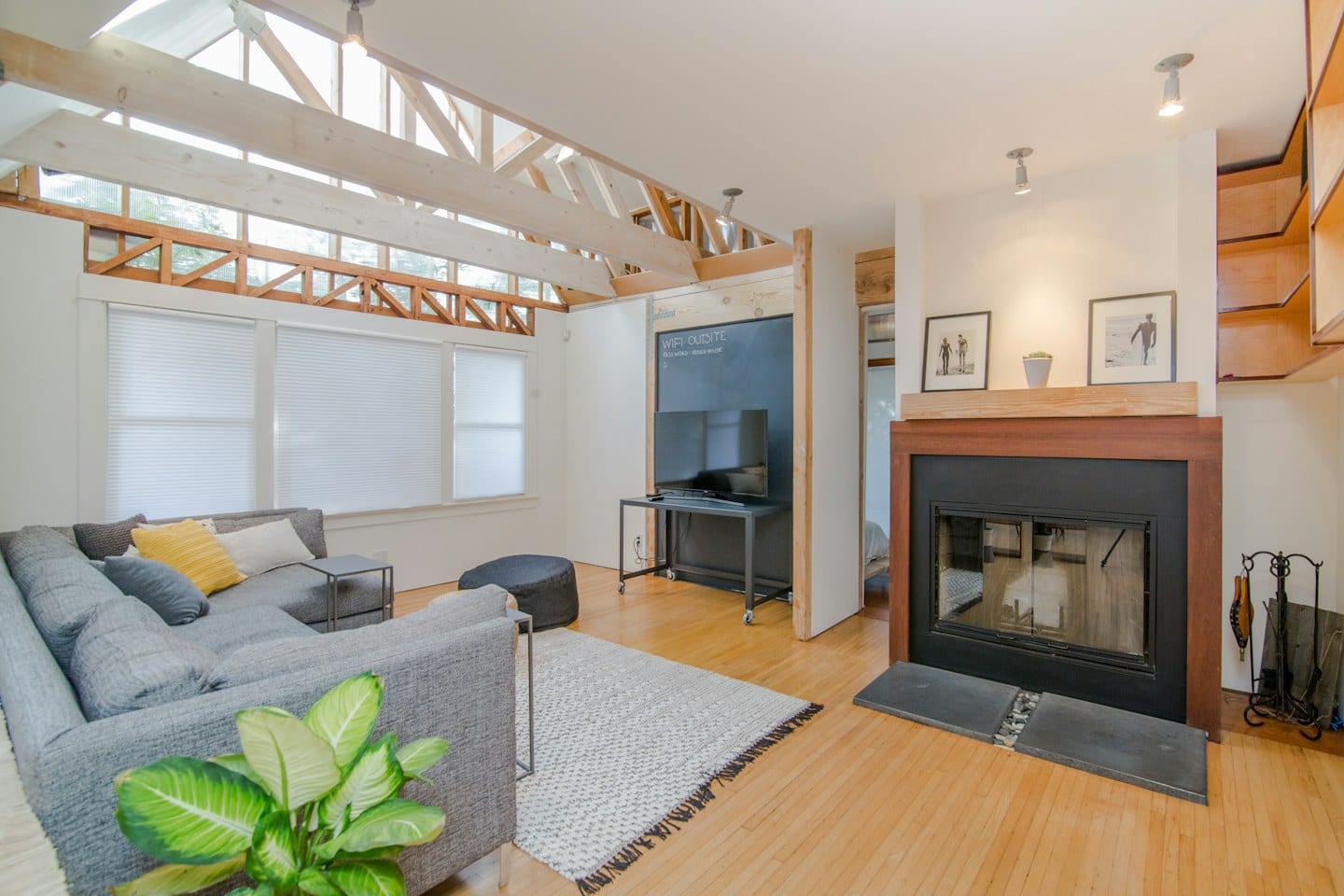
A smartphone camera is often the first tool used when a home project begins. We snap a photo of a cracked tile or a dated kitchen layout, intending to remember the starting point. However, without a method for organizing these images, that digital library quickly becomes a cluttered sea of unsorted files that offer little value when a contractor asks for clarification or a professional needs to see a specific corner of a room.
Organizing the Visual Record
Effective documentation starts with a naming convention that anyone can interpret. Instead of relying on a camera’s default timestamp, name your files to reflect their location and timing. Grouping photographs by room—such as 'Master Bath' or 'Back Porch'—allows for quick navigation. Within those folders, use dates to establish a clear chronological timeline of the property's condition. This structure ensures that the visual history of your home remains accessible even if you are not the one scrolling through the device.
Separating Sight from Speculation
One of the most common mistakes in home documentation is mixing what you see with what you think you see. A photograph shows a damp patch on a ceiling; it does not show the cause of the moisture. When you are capturing these moments, keep your observed details separate from your interpretations. If you notice a discoloration on a wall, record it as a visual fact in your notes rather than labeling it as a 'leak' or 'mold.' This distinction preserves the integrity of the evidence, allowing you to present raw data to a specialist without the interference of guesswork.
Managing Limited Space
For many Dallas residents, physical filing cabinets are a luxury that a modern, streamlined home does not afford. If you are working with limited storage for paperwork, a digital-first approach is necessary. However, relying solely on a single device can create a bottleneck. For example, if you are renovating a guest suite and your phone is full of high-resolution images, you may find yourself deleting important personal photos just to make room for construction shots. To manage this tradeoff, consider offloading completed folders to a dedicated cloud service or an external drive once a specific phase of work is finished. This keeps your primary device light and your project records secure and searchable.
Preparing for Professional Consultations
When it comes time to bring in help, your organized folder becomes a communication tool. Instead of trying to describe a complex layout, you can show exactly what exists. Ask a contractor how the specific details captured in your photos will influence their proposed work. If you have noted a particular irregularity in a floorboard, ask a flooring specialist how that observation affects the installation process. By presenting a clear, unadorned visual history, you provide a foundation for more accurate discussions about your home's future.