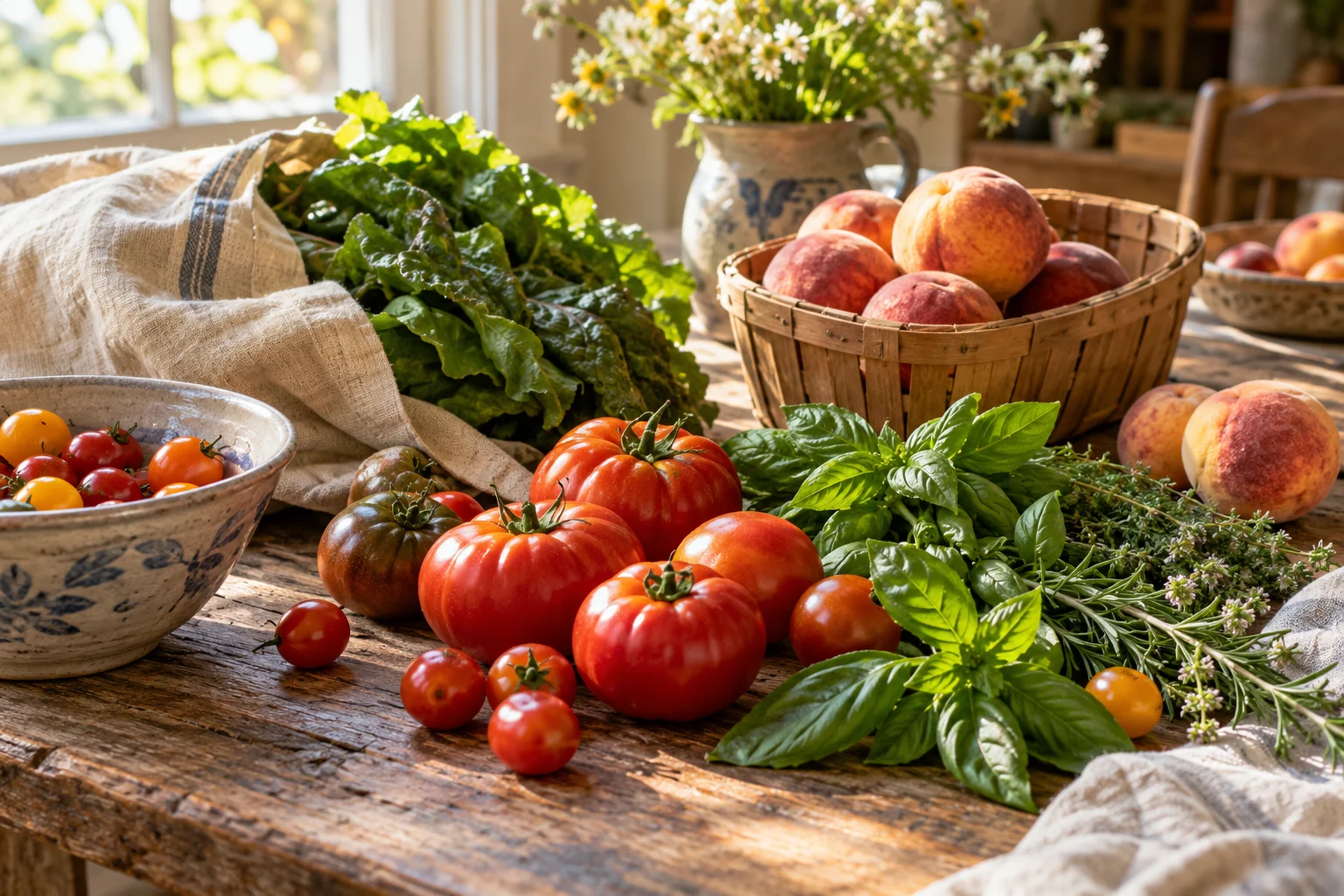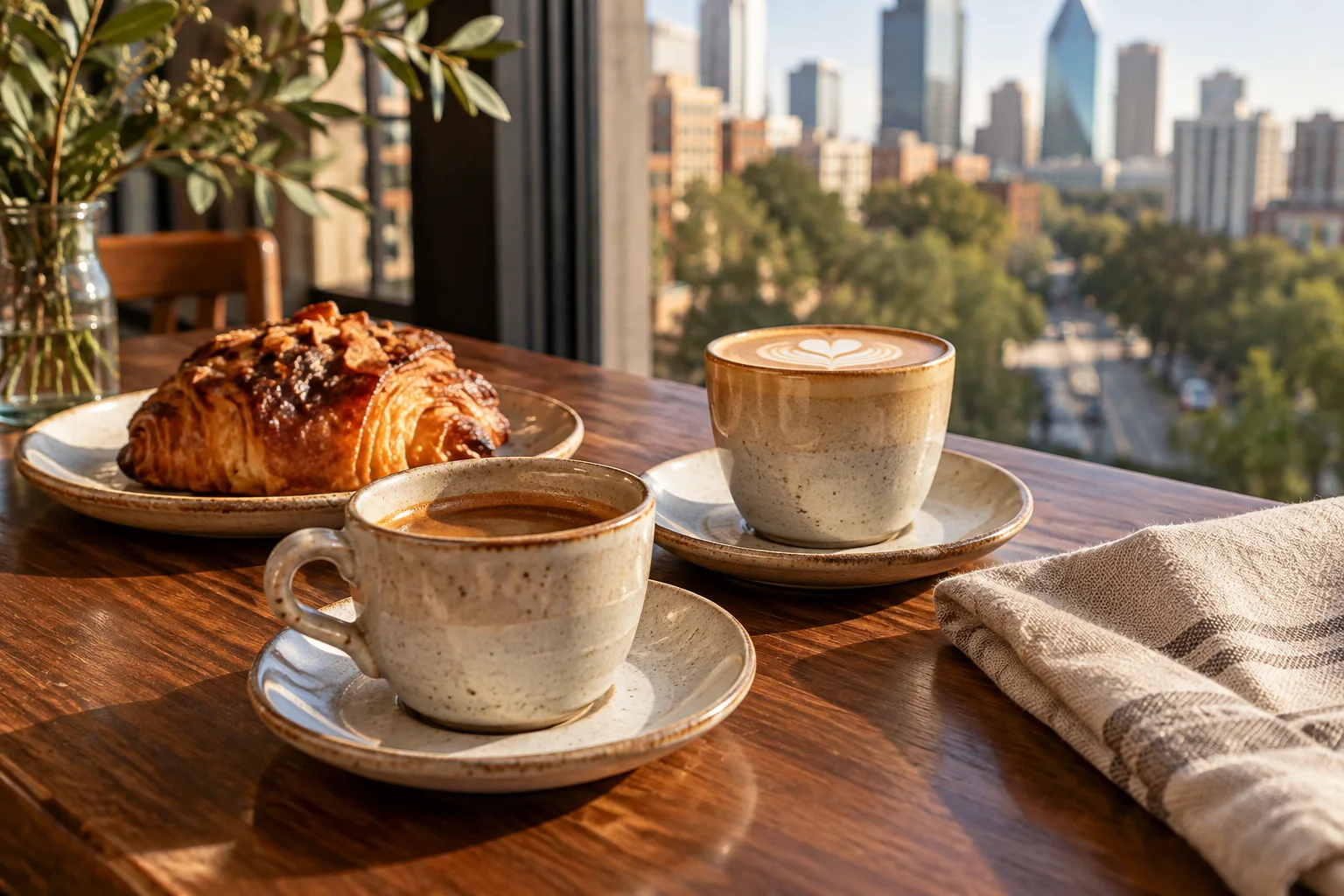
A perfectly set table in a Dallas dining room can feel like a choreographed performance. You might envision a specific palette of stoneware, linen napkins in a particular shade of sage, and a centerpiece that complements the seasonal flora. For many hosts, the visual identity of the meal is as vital as the flavors themselves. However, a tension often arises when the person responsible for this meticulous curation also intends to sit down and enjoy the meal alongside their guests.
Balancing Vision with Participation
The primary tradeoff in hosting a shared dinner is between the level of control over the atmosphere and the ability to engage with your company. A host who insists on managing every micro-detail of the service often finds themselves relegated to the kitchen, watching the conversation through a doorway. Conversely, a host who delegates too much may find that the aesthetic they worked so hard to establish arrives in a fragmented or mismatched state. The goal is to decide early whether you are the conductor of a formal ceremony or a participant in a communal feast.
If you have a strong visual preference, you must weigh the satisfaction of a cohesive table against the practical need for hands-on help. A host who prioritizes a specific look might spend more time arranging garnishes and adjusting silverware than actually speaking with guests. This creates a social imbalance where the host is a spectator to their own event. To avoid this, you must determine if your aesthetic goals are flexible enough to allow for a more relaxed, shared experience.
Defining the Contributions
To protect your time and your vision, clarity regarding what guests bring is essential. If you have a strong preference for a specific visual theme, you might find that a guest arriving with a heavy, mismatched ceramic bowl disrupts the tabletop you have prepared. Instead of leaving contributions to chance, consider discussing the nature of the dishes beforehand. You might ask a friend if they would prefer to bring a specific component that requires minimal plating, or if they would be comfortable using your own serving pieces to maintain the table's look.
For example, if you are planning a menu centered around a specific Mediterranean aesthetic, you might suggest that guests contribute items like olives, crusty breads, or chilled wines. This allows you to maintain the visual thread of the evening while reducing the number of complex, multi-step dishes you must manage yourself. By narrowing the scope of what guests provide, you limit the potential for visual or logistical clutter.
Separating Preparation from Service
The most successful shared dinners often involve a clear distinction between who handles the heavy lifting of preparation and who manages the flow of the meal. If you are the one who has spent hours selecting the menu and setting the scene, you may want to avoid being the person who is also responsible for pouring every glass of water or clearing every plate.
Consider asking your guests how they prefer to assist once the meal begins. Would they be willing to manage the beverage service, or perhaps assist with the transition from the dining table to a more relaxed seating area? By deciding these roles before the first guest arrives, you ensure that the person who curated the experience actually has the opportunity to experience it. The final decision rests on whether you prioritize the perfection of the presentation or the fluidity of the social connection; often, the best dinner is the one where the host is seen more often than the kitchen door.