This is a paid partner contribution. Commercial relationships are disclosed so readers can distinguish sponsored content from editorial guides.
A storefront or an office entrance serves as the first point of contact for a customer. Deciding how to present your brand through signage involves choosing between different materials, sizes, and mounting methods. Before you sit down to discuss these options with a specialist, gathering specific details about your physical location can help turn a vague concept into a concrete plan.
Measuring the Canvas
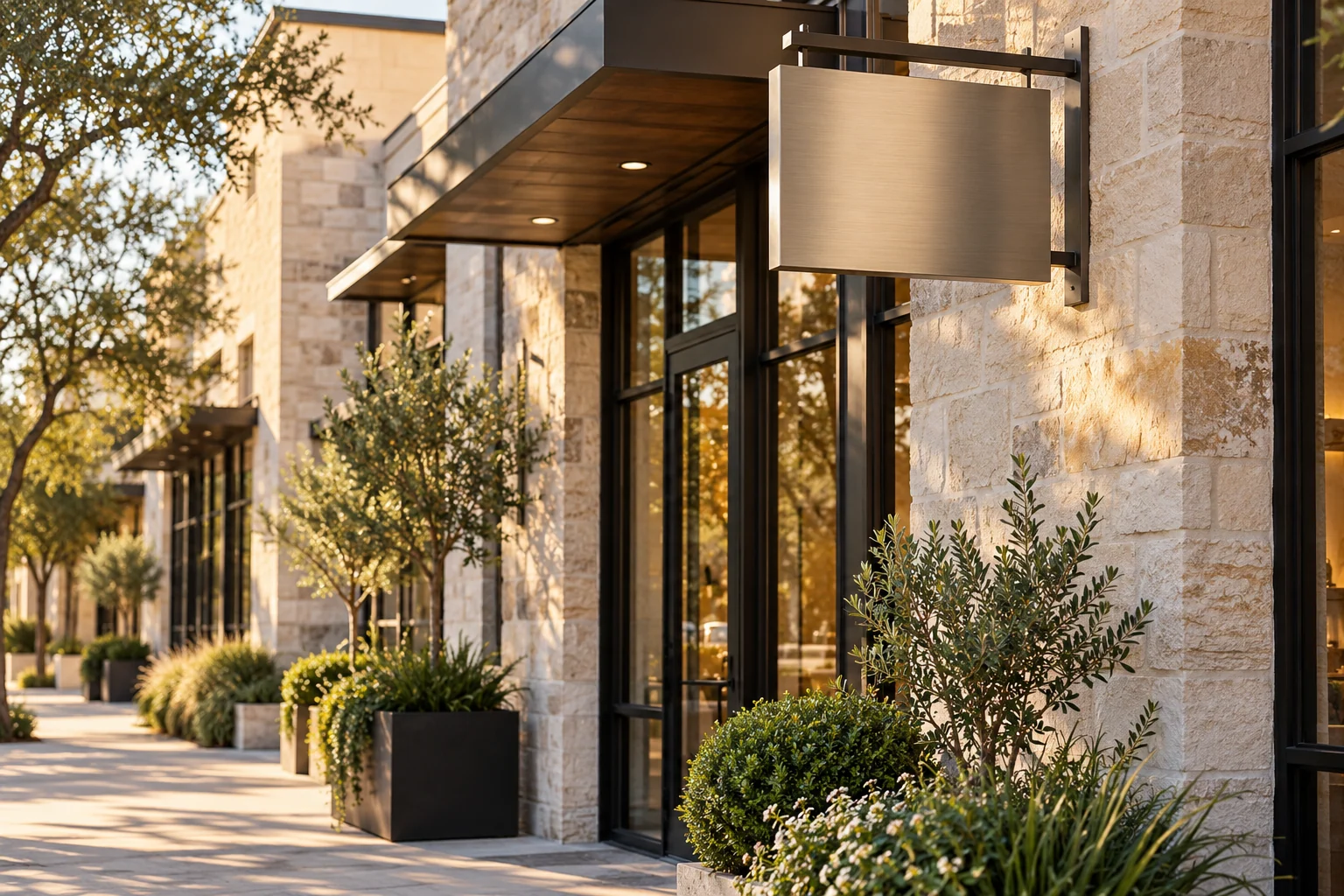
The effectiveness of a sign depends heavily on where it sits in relation to the street, the sidewalk, or the interior hallway. A sign that looks substantial in a showroom might appear lost on a large brick facade, or conversely, it might obstruct a window intended for natural light. Consider the surfaces available for installation and the existing architecture of your building.
For example, if you are looking to update your entrance, you might weigh the visual impact of a large, illuminated display against the understated elegance of a small, etched plaque. One offers high visibility from a distance, while the other provides a tactile, premium feel for those already standing at your door. Ask the provider how different mounting styles might interact with your specific wall texture or building materials.
Navigating Local Requirements
Every location has its own set of considerations regarding what can be displayed and where. Beyond the aesthetic choices, there are administrative steps that often accompany a new installation. It is helpful to know the dimensions of your intended space and the specific placement you have in mind before your meeting.
To ensure your project aligns with local expectations, ask the specialist about the process for sign permits Dallas. Inquire about who is responsible for managing the necessary documentation and what information they will need from your side to move forward.
Defining Daily Operations
Signage is not solely about a logo or a name; it is also about communicating utility to your visitors. Practical information, such as when you are open or where guests should park, is a vital part of the customer experience. This information can be integrated into your primary branding or kept as a separate, functional element.
If you are planning to update your operational displays, ask how a custom store hours sign can be designed to match your existing aesthetic. You might choose a permanent fixture that stays consistent year-round, or a modular system that allows for easy updates if your schedule changes. Determine whether you want the information to be a subtle part of the background or a high-contrast focal point.
Preparing Your Brief
The most productive first conversation happens when you arrive with a clear set of observations. Bring photos of your current space, notes on your preferred color palette, and a list of the specific messages you need to convey. By focusing on your physical constraints and your functional needs, you can move past generalities and begin discussing the specifics of your project.