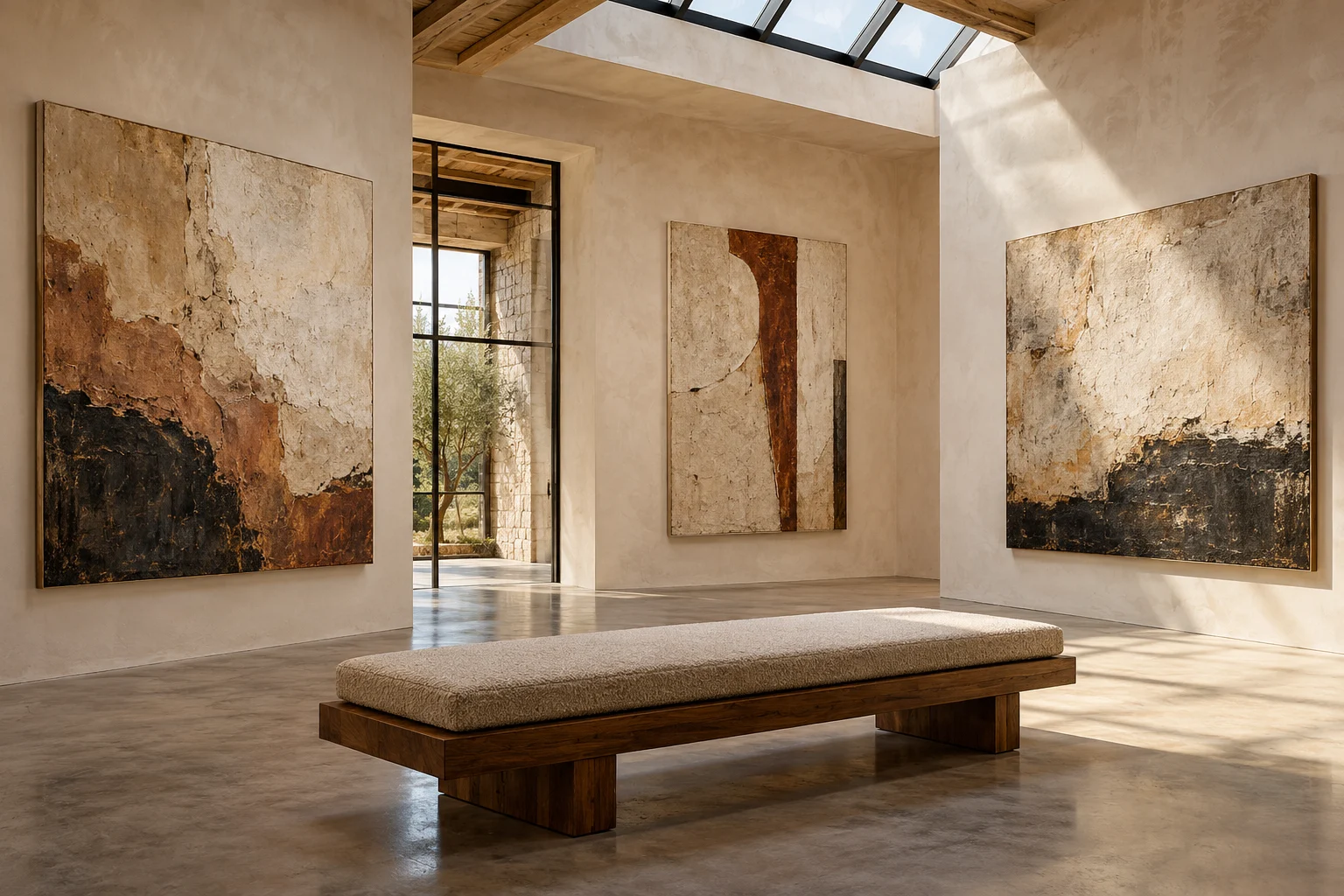
The local cultural calendar often presents a paradox of choice. For a resident looking to spend an afternoon engaging with the arts, the sheer volume of available exhibitions can feel less like an invitation and more like a mounting to-do list. We often approach museum visits with a checklist mentality, attempting to see every installation within a single season, yet this approach can dilute the very experience we seek.
The Weight of the Paper Trail
For many, the impulse to collect is part of the museum experience. We gather printed exhibition guides, brochures, and detailed program booklets to preserve the memory of a visit. However, for those living in smaller urban spaces or homes with strictly managed storage, these physical artifacts quickly become a burden. A stack of glossy pamphlets and thick catalogs might feel like a souvenir today, but they can become clutter that demands organization or disposal by next month.
For example, if you find yourself deciding between three different galleries, you might feel pressured to visit all of them to ensure you do not miss a fleeting installation. This decision often leads to a flurry of paper collection—maps, schedules, and descriptions—that eventually occupies a drawer or a shelf that you would rather keep clear for functional items.
Prioritizing Depth Over Breadth
Instead of attempting to navigate a wide circuit, consider the tradeoff between seeing many things superficially and seeing one thing deeply. Choosing a single exhibition allows you to set aside the pressure of the clock. When you are not rushing to reach a second or third venue, you can observe the nuances of a single collection without the mental fatigue of constant transitions.
This focused approach also solves the storage dilemma. If you commit to one exhibition, you can decide ahead of time how you wish to engage with its information. You might choose to take a few meaningful notes on a single card or simply rely on your own memory and observation. By narrowing your scope, you eliminate the need to manage a mountain of diverse printed materials from multiple sources.
Curating Your Own Experience
Before you head out, look at the verified schedules for the current month and identify the one show that aligns most closely with your current interests. Ask yourself what kind of atmosphere you desire: do you want a quiet space for contemplation, or a high-energy environment? Once you have selected your target, allow yourself the luxury of time. Rather than checking off a list, aim to leave the venue with a singular, clear impression of the work.
If you are concerned about losing the context of the show without keeping the physical paper, you might consider taking a single photograph of the exhibition's introductory text. This allows you to preserve the essential details digitally, keeping your physical space clear while ensuring the intellectual essence of the visit remains accessible.