A fresh set of tools, a clean workspace, and the promise of a new skill can make a creative workshop feel like a compelling escape. Whether it involves pottery, woodworking, or textile arts, the allure lies in the tactile process of making something from nothing. However, the gap between a polished promotional photo and the actual studio environment can sometimes lead to unexpected friction on the day of the session. Making a manageable first inquiry is an effective way to bridge that gap.
Defining the Creative Scope
The first step in any inquiry involves clarifying exactly what the hands-on portion of the session entails. A workshop might promise a finished product, but the level of independence you have in that process can vary. You might find a session that focuses on foundational techniques where you guide the project, or one that is more prescriptive, following a specific instructor-led model. This distinction is vital for anyone hoping to walk away with something that feels personal.
Ask the organizer how much of the final piece is determined by your own design versus a set pattern provided by the studio. For example, if you are interested in a ceramics class, you might wonder if you will be choosing the specific shape and glaze, or if the session is dedicated to mastering a single, predetermined form. Understanding this tradeoff between creative autonomy and guided instruction helps you decide if the class suits your personal goals.
Materials and Physical Access
Logistics often dictate the comfort of a creative outing. Ask the studio what specific supplies are included in the registration and what, if anything, you are expected to bring from home. This includes everything from specialized aprons to specific types of clothing that can withstand stains or dust. Knowing these details in advance prevents the frustration of arriving unprepared for a messy process.
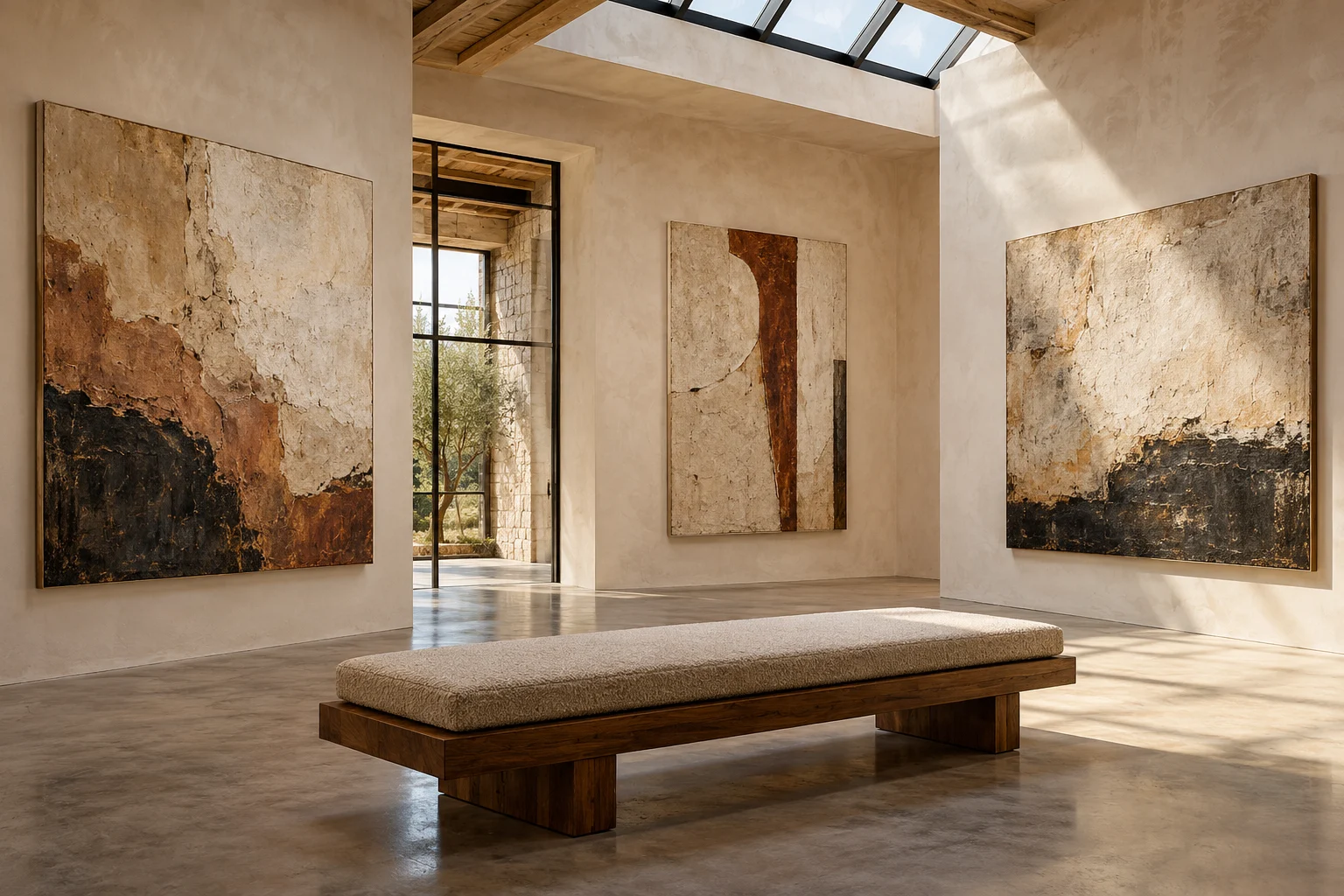
Consider the physical environment of the space as well. If you have specific needs regarding mobility or seating, or if you prefer a space with certain lighting conditions, these are details worth addressing early. Ask the instructor about the layout of the workspace and whether the studio offers accommodations for different physical comfort levels during long periods of standing or sitting. A studio that is easy to navigate is often a studio where you can focus entirely on the craft at hand.
Participation and Group Dynamics
The social atmosphere of a workshop can change the entire experience. Some people seek a quiet, meditative environment, while others look for a lively, communal setting. For instance, imagine you are looking for a solo activity to decompress after a busy week, but you arrive to find a loud, high-energy group setting. This discrepancy can shift the experience from relaxing to overwhelming.
Ask the instructor about the typical class size and the ratio of instructors to participants. Ask how the instructor manages different skill levels within a single group to ensure everyone receives adequate attention. By requesting these details, you can determine if the studio's culture aligns with the specific type of engagement you are seeking. Once you have clarified the activity, the materials, and the environment, you can make a booking with confidence, knowing the reality of the studio will match your expectations.