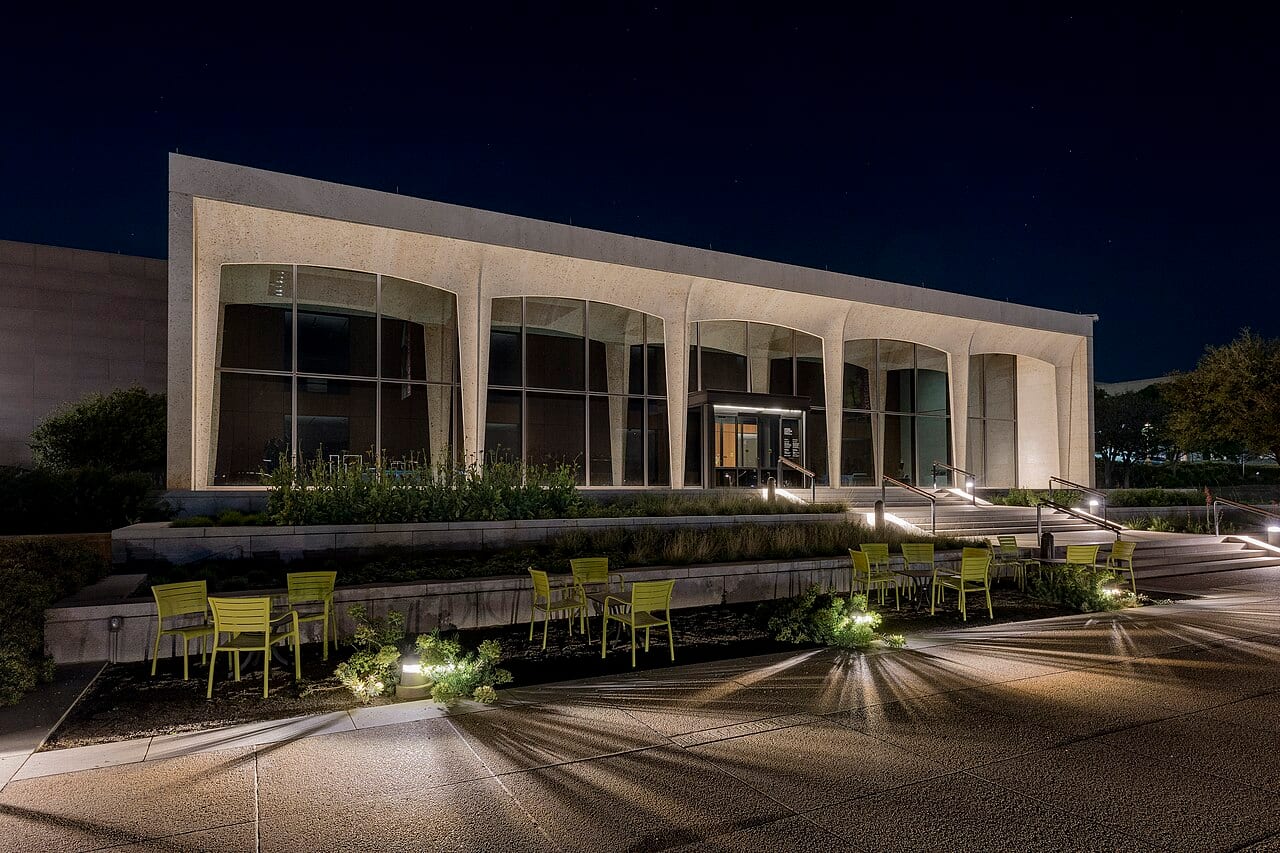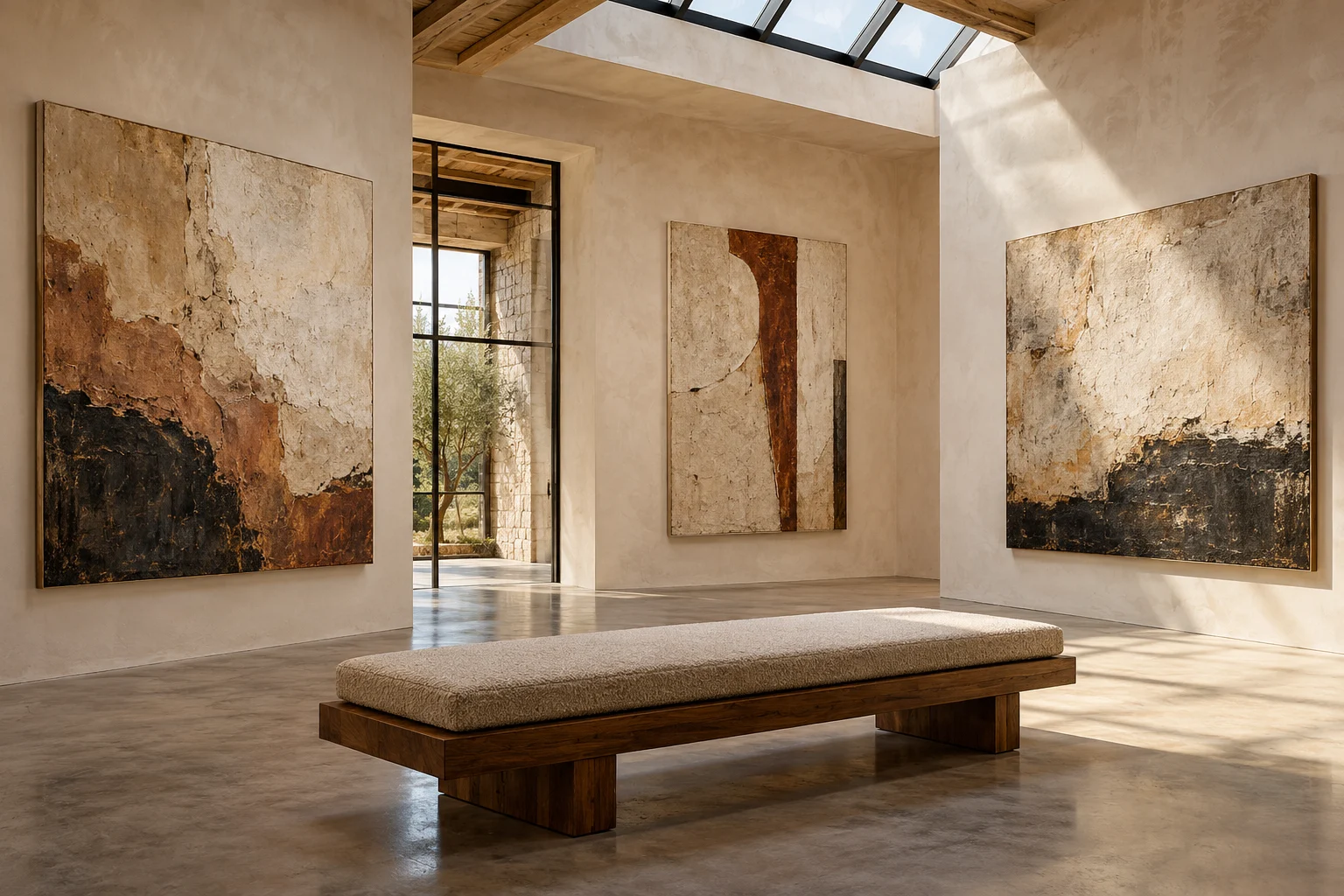
A sudden encounter with a striking piece of sculpture in a local park or a conversation with a gallery owner can leave a lasting impression. These moments of cultural discovery often feel significant in the moment, yet they frequently fade into vague memories of "that one thing I saw last month." To prevent these experiences from becoming lost, one must move beyond mere appreciation and toward intentional documentation.
The Anatomy of a Record
Capturing a discovery requires more than a quick photograph. A photo shows what something looks like, but it rarely explains why it was worth stopping for. Effective documentation involves three distinct layers: the technical details, the human element, and the personal resonance. When you encounter something noteworthy, record the creator, the work itself, and the source of your information. If a docent explained the history of a mural, note their name; if a brochure provided the context, keep the physical slip or a digital scan.
Beyond the data, include a note on why the encounter mattered to you personally. Did the texture of the medium remind you of a childhood home? Did the scale of the installation change your perception of the surrounding streetscape? These subjective observations are what transform a dry list of facts into a meaningful personal archive.
Balancing Detail and Effort
The primary tradeoff in documentation is the tension between thoroughness and spontaneity. If the process becomes too cumbersome, you will stop doing it altogether. If it is too brief, the record becomes useless for future reference.
For example, if you are visiting a new neighborhood, you might face a choice between writing a full paragraph in a notebook or simply snapping a photo and moving on. The former provides depth but interrupts your immersion in the environment; the latter preserves the visual but loses the nuance of the experience. To find a middle ground, consider a hybrid approach: a single sentence of context paired with a timestamp and a location.
The Question for Later
The most effective way to ensure a discovery remains useful is to leave an open thread for your future self. Instead of closing the chapter on an experience, pose a specific question that invites a second look. This turns a static memory into an active inquiry.
When you find yourself looking back at your notes months later, do not simply read them. Use the specific question you left behind to guide your next move. Ask yourself: "How does this work relate to the other pieces I saw in this district?" or "What would happen if I viewed this during a different season?" By embedding a question into your record, you ensure that your cultural exploration is a continuous dialogue rather than a series of disconnected events.