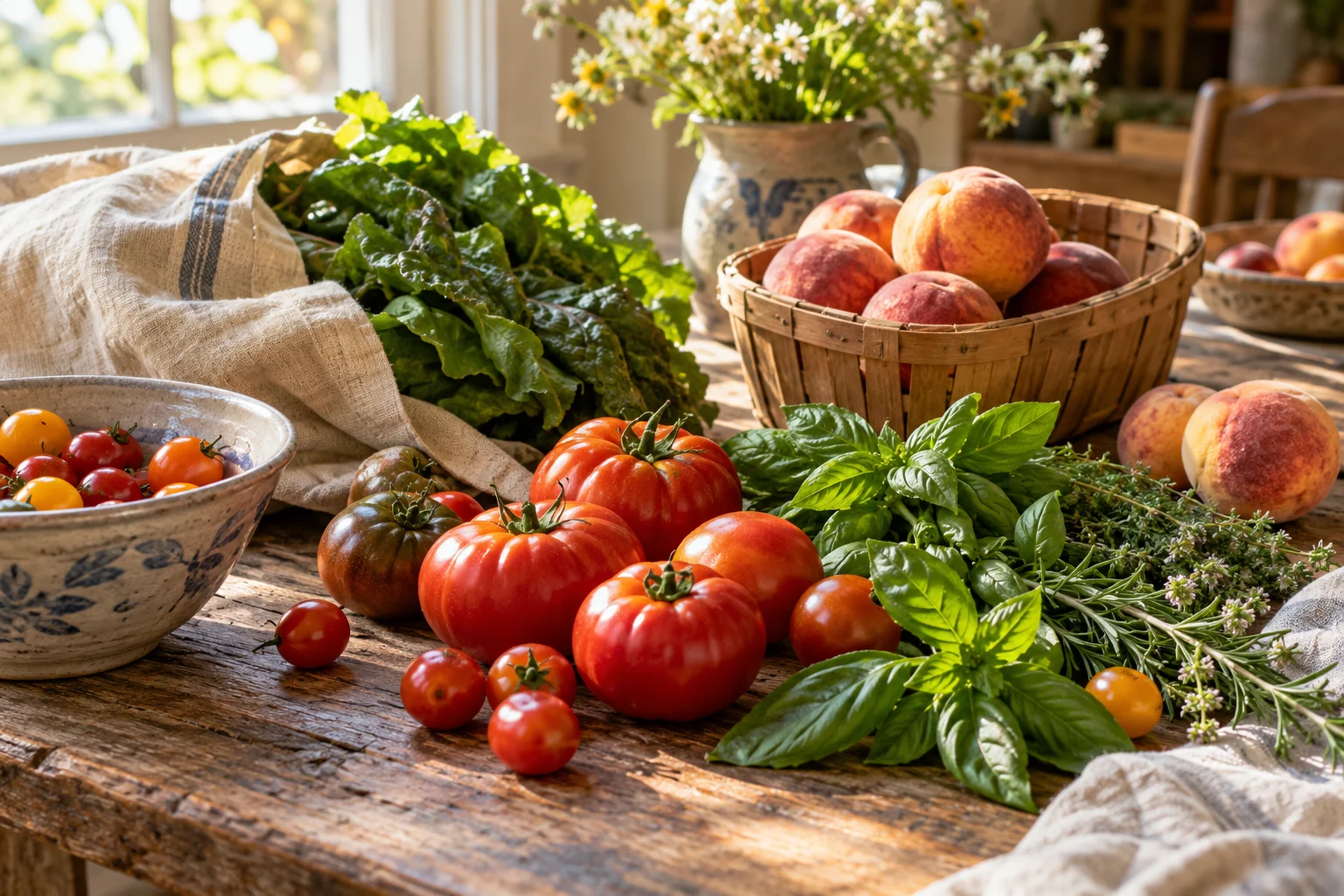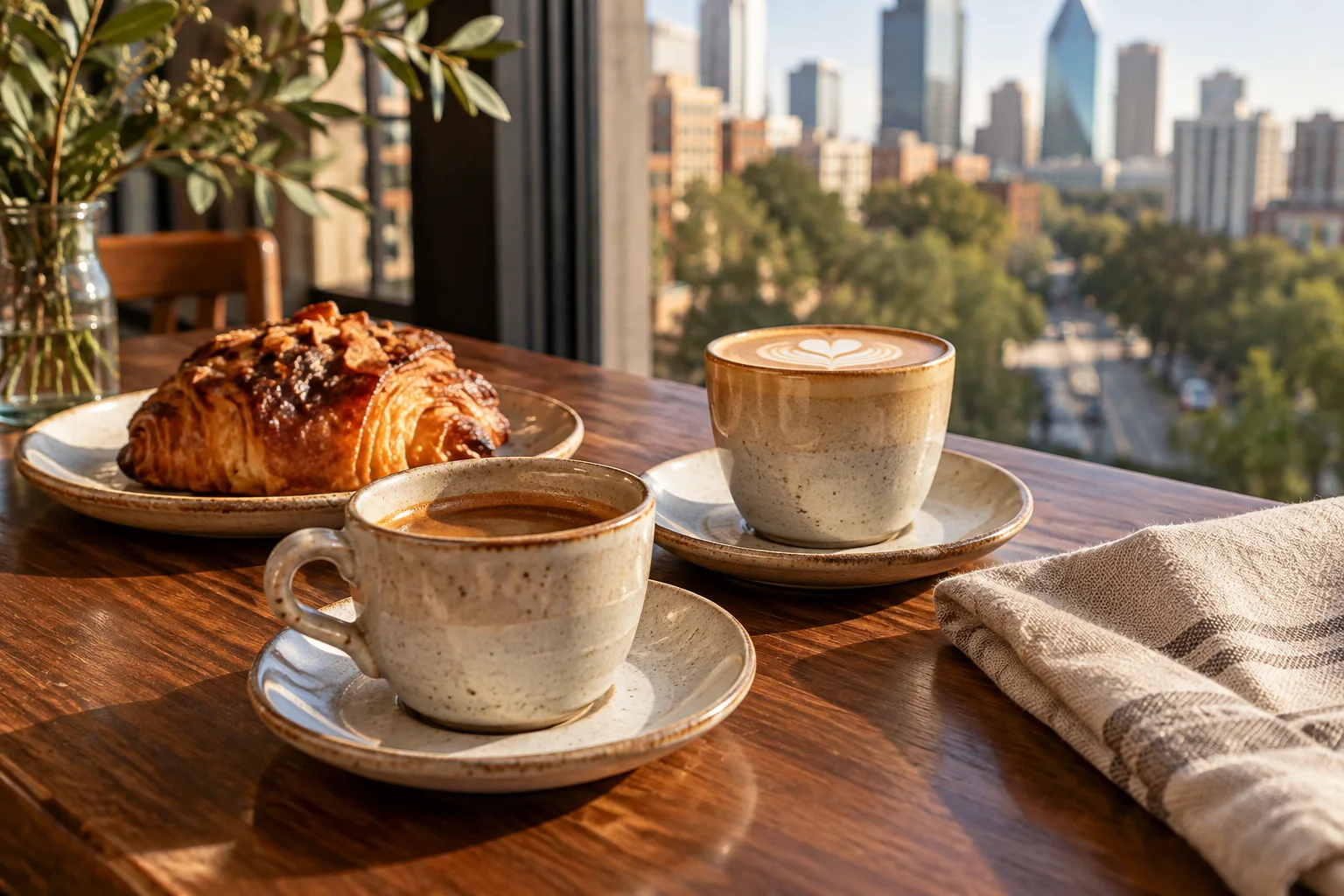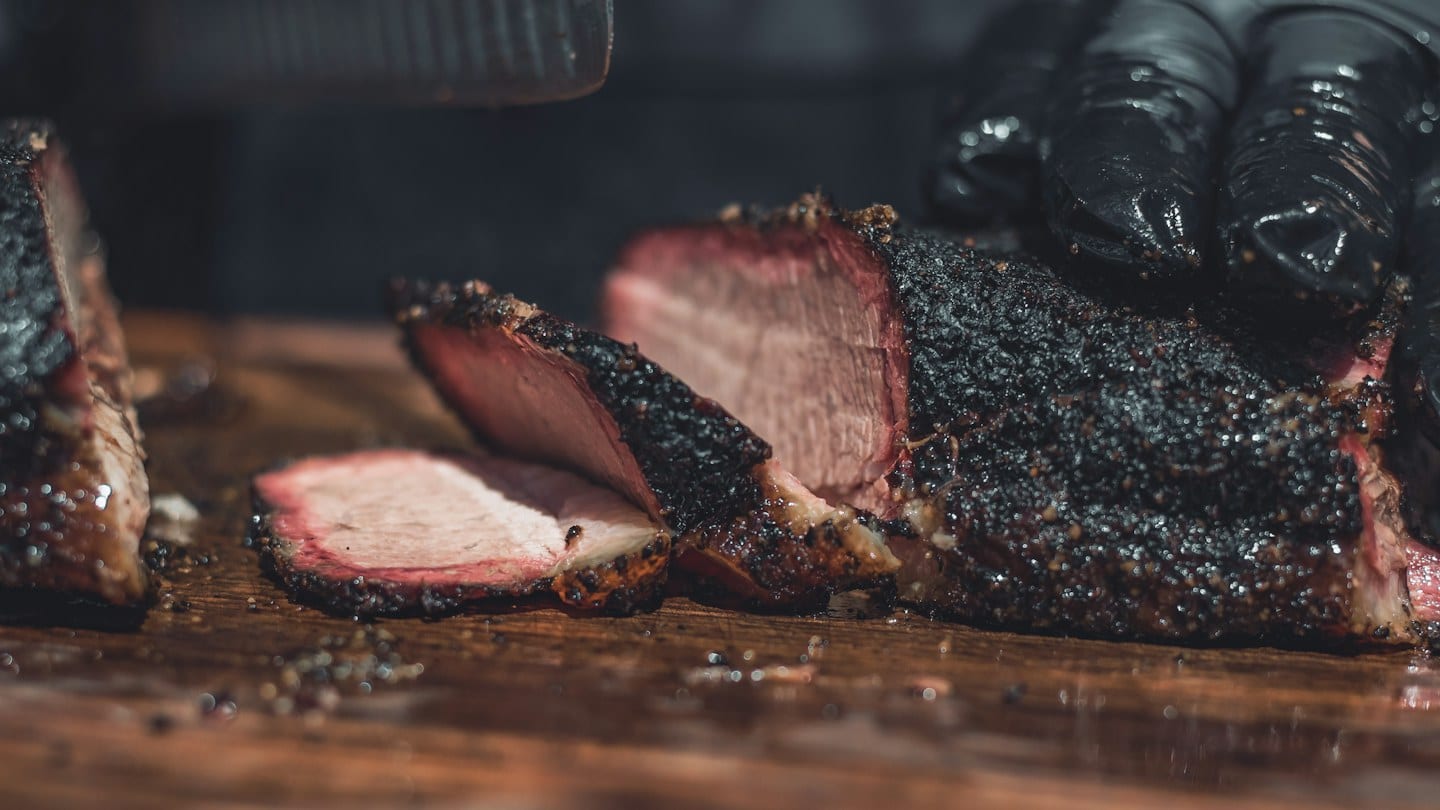
A small, curated set of samples sits on the table, each one a distinct departure from the last. Whether you are sampling artisanal honey, regional cheeses, or small-batch chocolates, the goal of a tasting evening is often to explore nuance. However, these gatherings can quickly shift from a sensory exploration into a competitive debate over which item occupies the top spot on an invisible leaderboard.
The Trap of the Scorecard
When guests feel the need to assign a number to a flavor, the conversation often narrows. People begin looking for the "winner" rather than describing the experience. This pressure to rank can stifle the very curiosity that brings people together. Instead of debating whether an item is an eight or a ten, try encouraging guests to record their specific personal preferences. Provide small slips of paper where individuals can jot down adjectives—smoky, bright, earthy, or velvety—without the obligation of a numerical value. This shifts the focus from a comparative judgment to a collection of individual perspectives.
Visual Allure and Practicality
For some, the experience begins long before the first bite. A strong visual preference can heavily influence how a person perceives flavor. You might find yourself drawn to a sample because of its striking color, an elegant geometric shape, or a rustic, textured presentation. While these aesthetic qualities make for a beautiful table, they can create a mental tradeoff between what the eyes expect and what the palate actually encounters.
For example, if you are hosting a tasting of various fruit preserves, you might be captivated by a deep, jewel-toned crimson jelly that looks incredibly rich. However, that visual intensity might lead you to expect a heavy sweetness that isn't actually present, or perhaps a tartness that surprises you. The visual beauty is a wonderful part of the ritual, but it can occasionally act as a distraction from the actual profile of the food.
Guiding the Dialogue
To keep the evening centered on taste, prepare a few prompts that invite description rather than comparison. Instead of asking "Which is best?", try asking "What does this remind you of?" or "How does the texture change as you eat it?". This allows for a variety of opinions to exist simultaneously without anyone needing to be "wrong." If a guest struggles to find the words, suggest they think about the intensity of the flavors or the lingering aftertaste.
If you are unsure how to select a set that offers enough variety to be interesting but not so much that it becomes overwhelming, ask a local specialty purveyor how they balance different flavor profiles in a tasting flight. They can help you decide if a selection of similar items or a diverse range of extremes will better suit your group's interests. By prioritizing descriptive notes over a final tally, you ensure the evening remains a shared exploration of taste.