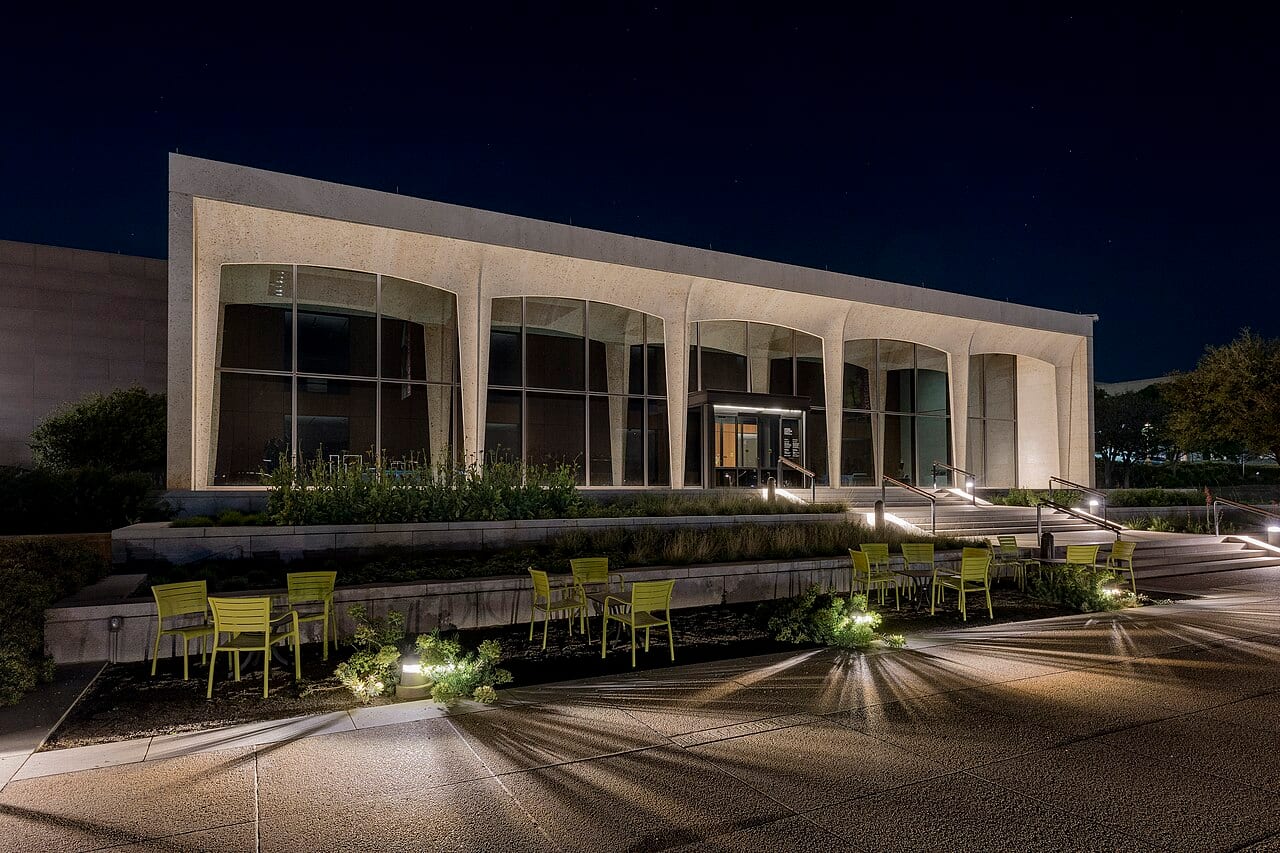
An invitation to a live performance or a community gathering arrives, and the decision process begins. For some, the choice is instant. For others, the invitation becomes a recurring digital ghost, reopened multiple times a week as you scan the same lines of text, hoping a new detail will finally tip the scales. This cycle of hesitation often happens not because you are indecisive, but because the description itself remains vague.
Decoding the Description
A well-written event description should provide a sense of the atmosphere, but often they rely on evocative adjectives that leave the logistics to your imagination. You might see words like intimate, energetic, or exclusive. While these words set a mood, they do not clarify the physical reality of the evening. A venue described as intimate might mean a cozy lounge with soft seating, or it might mean a crowded room where standing is the only option.
Before you commit, look for what is missing. Does the text mention the seating arrangement? Does it specify the noise level? If the description leaves you wondering how you will actually experience the event, you are not stuck; you are simply under-informed. Instead of reopening the email to stare at the same sentences, seek the specifics that bridge the gap between a vague concept and a concrete plan.
The Tradeoff of Group Dynamics
When deciding with a group, a meaningful tradeoff exists between the desire for a shared experience and the need for individual comfort. A high-energy concert offers collective excitement, but it may sacrifice the ability to hold a conversation. Conversely, a quiet gallery opening allows for dialogue but might feel subdued for those seeking a lively night out.
For example, if a group of friends is debating between a seated dinner theater and a standing-room jazz set, the decision rests on what the collective priority is for that specific night. Are you looking to celebrate a milestone with structured comfort, or are you seeking the spontaneous movement of a crowded club? Identifying this priority helps resolve the debate without endless circular discussions.
Clarifying Access and Expectations
If the ambiguity persists, direct communication is the most efficient way to break the cycle of indecision. If you are organizing the outing, ask the event coordinator or venue manager specific questions to ensure the environment matches the group's needs. You might ask how the layout affects movement throughout the space or what the specific accommodations are for different arrival times.
If you are a participant, ask your companions what they hope to gain from the evening. Once you have clarified the physical reality of the venue and the social intent of the group, the decision should follow naturally. Stop re-reading the invitation and start asking the questions that the text failed to answer.