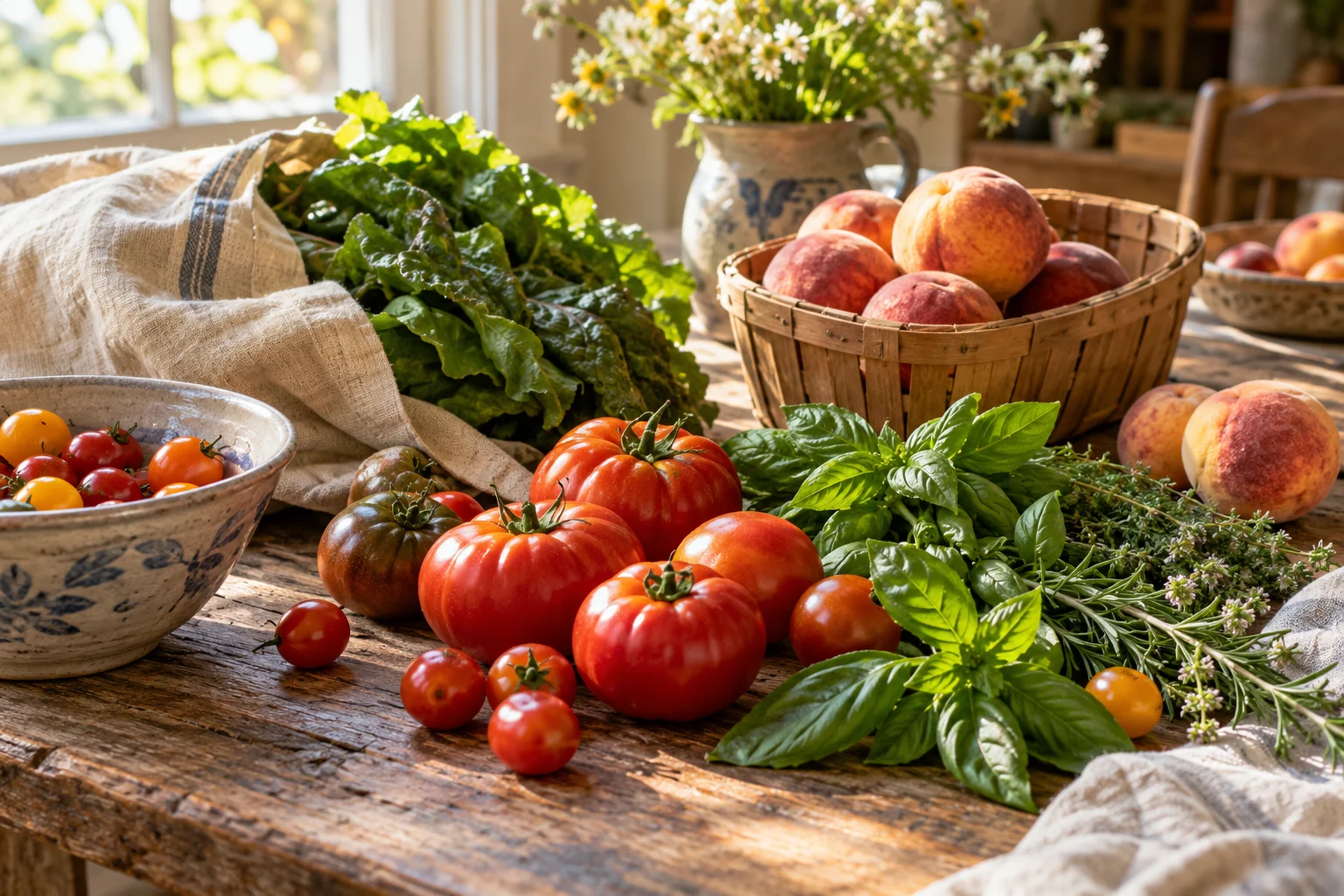
A heavy paper bag sits on the kitchen counter, containing a specific collection of items: a bunch of fresh basil, a wedge of hard cheese, a pint of cherry tomatoes, and a loaf of crusty sourdough. At the moment of purchase, these ingredients feel like a singular solution to a singular problem—the immediate need for a quick, satisfying meal after a long day in Dallas.
The Immediate Gratification
The most obvious path is to use everything at once. The sourdough is sliced and toasted, the tomatoes are sliced thin, the cheese is shaved over the top, and the basil provides a bright finish. It is a complete, cohesive meal that satisfies the hunger of a Tuesday evening. This approach prioritizes ease and the peak freshness of the ingredients, ensuring nothing sits in the refrigerator waiting for a moment that might never arrive.
The Delayed Project
However, there is a different kind of satisfaction found in the slow build. For those who view cooking as a series of intentional projects rather than just a way to end the workday, these same ingredients can be partitioned. You might decide to skip the immediate meal in favor of a more structured culinary endeavor later in the week.
For example, if you choose to save these items, you might spend Friday evening preparing a slow-simmered tomato sauce using the cherry tomatoes, incorporating the basil only at the very end to preserve its character. The sourdough could be transformed into homemade croutons or breadcrumbs, and the cheese could be grated into a larger batch of pasta or a savory tart. This requires a tradeoff: you trade the convenience of a ten-minute meal today for the complexity and ritual of a multi-step process tomorrow.
Balancing Utility and Intent
Choosing between these two paths often comes down to how much mental energy you wish to expend. The immediate meal is a low-stakes victory, while the delayed project is an investment in a future experience. When you are standing in the aisle, consider whether you are buying ingredients for a specific recipe or for a set of possibilities. A basket that can pivot from a simple toast to a sophisticated sauce offers a level of flexibility that makes the trip to the market feel more productive.
Before you head to the checkout, ask yourself if your current energy levels align with the complexity of the ingredients you are selecting. If you find yourself leaning toward the more ambitious, multi-use route, you might ask a produce specialist how to best store specific herbs to ensure they remain viable for that later project. Ultimately, the best choice is the one that matches your schedule, whether that means enjoying a simple slice of bread tonight or orchestrating a more deliberate meal when the time is right.